
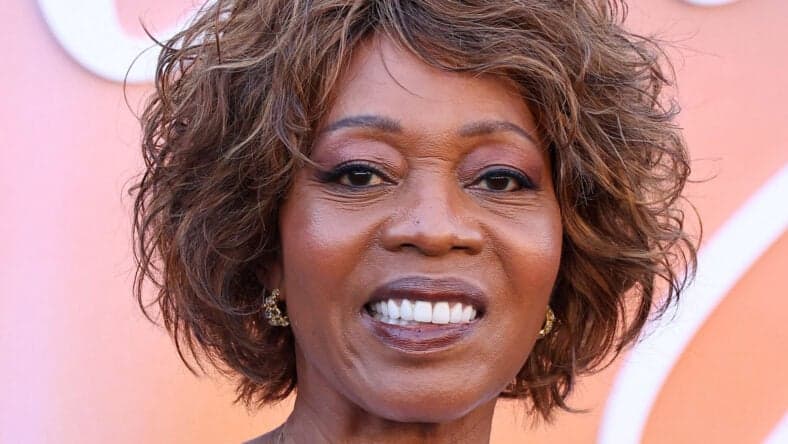
For decades, Alfre Woodard has built a career defined by powerhouse performances, critical acclaim, and a refusal to let Hollywood define her limits. But according to the Oscar-nominated actress, the road to success came with harsh realities, including one painful comment she heard while trying to break into the industry. In a candid new cover story, Alfre Woodard opened up about the racial bias she faced early in her career, revealing that one Black theater actress tried to warn her away from pursuing film altogether.
The Harsh Hollywood Comment Alfre Woodard Never Believed
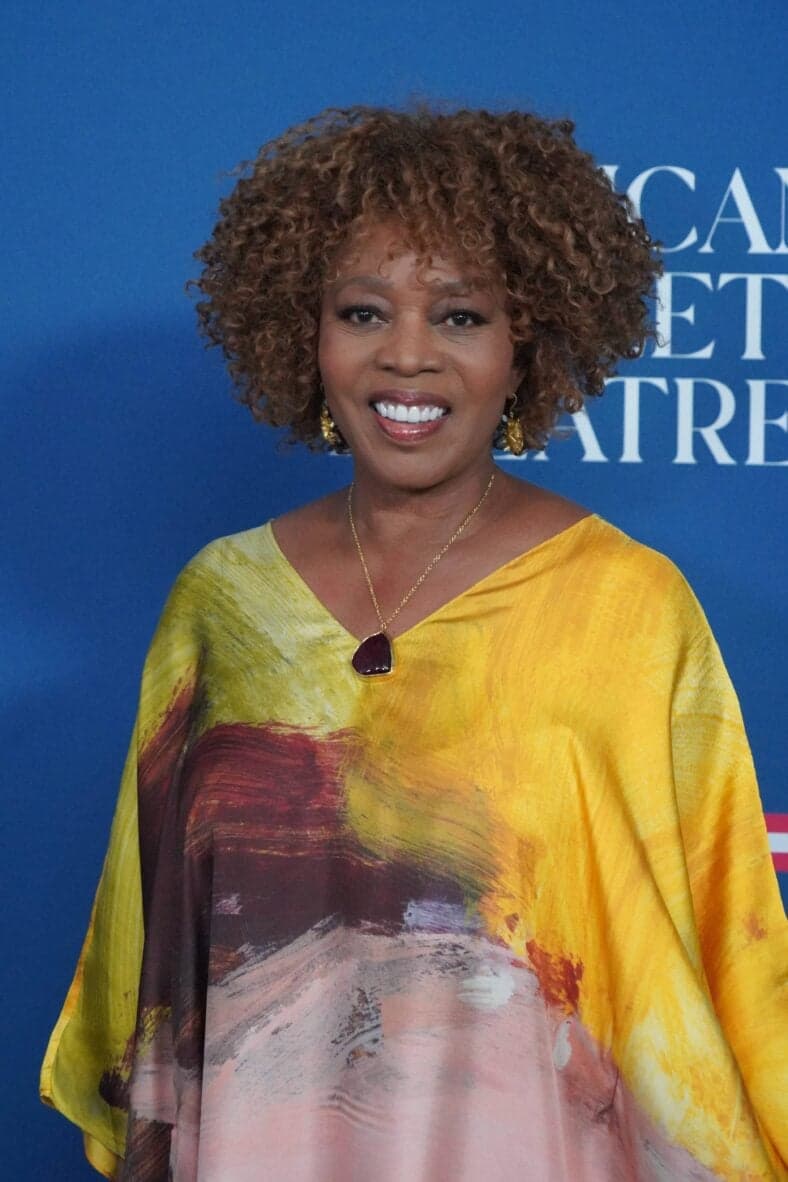
After graduating from Boston University in 1974 with an acting degree, Woodard told AARP The Magazine that she headed west to Los Angeles, determined to make it as a film actress. But the reception she encountered in Hollywood was far from welcoming. “‘Oh, honey,” she says a Black theater actress warned her. “There’s no such thing as a Black film actress.”
Rather than discouraging her, however, the comment only strengthened Woodard’s resolve. “In my mind, I just went, Well, that’s not my reality,” she recalled.
Woodard Says Hollywood Tried To Box Her In
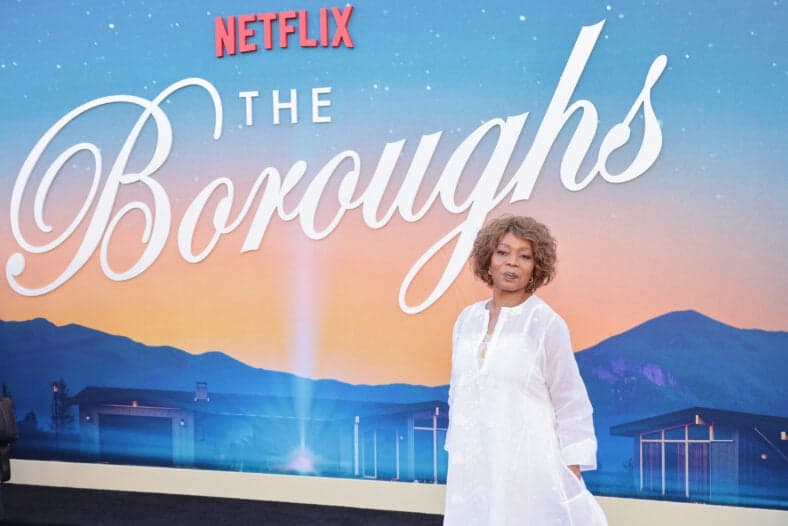
The Emmy-winning actress revealed that rejection became a painful reality during those early years as she struggled to even land auditions. “I wouldn’t get an audition for nine or 10 months at a time,” Woodard admitted.
Even when roles became available, she said her representatives often dismissed opportunities before she ever had a chance. “When she’d hear about a role, ‘my agents would say, “Oh, Alfre, that’s not for you. It says attractive young Black woman,” she recalled.
At times, Woodard said she was also told she didn’t look like “the right kind of Black,” underscoring the narrow standards Black actresses often faced in Hollywood. Still, she refused to let those barriers define her future.
Instead, the actress focused on preparing herself for the opportunities she believed would eventually come. She explained that she stayed grounded in the belief that “when somebody wanted to invite me into a space with them, that was the kind of person I should be with.”
Faith also became an anchor during difficult moments. Woodard, who has practiced Christian Science since college, leaned into spirituality while navigating an industry that repeatedly shut doors in her face.
Tulsa Roots Helped Shape Alfre Woodard’s Confidence
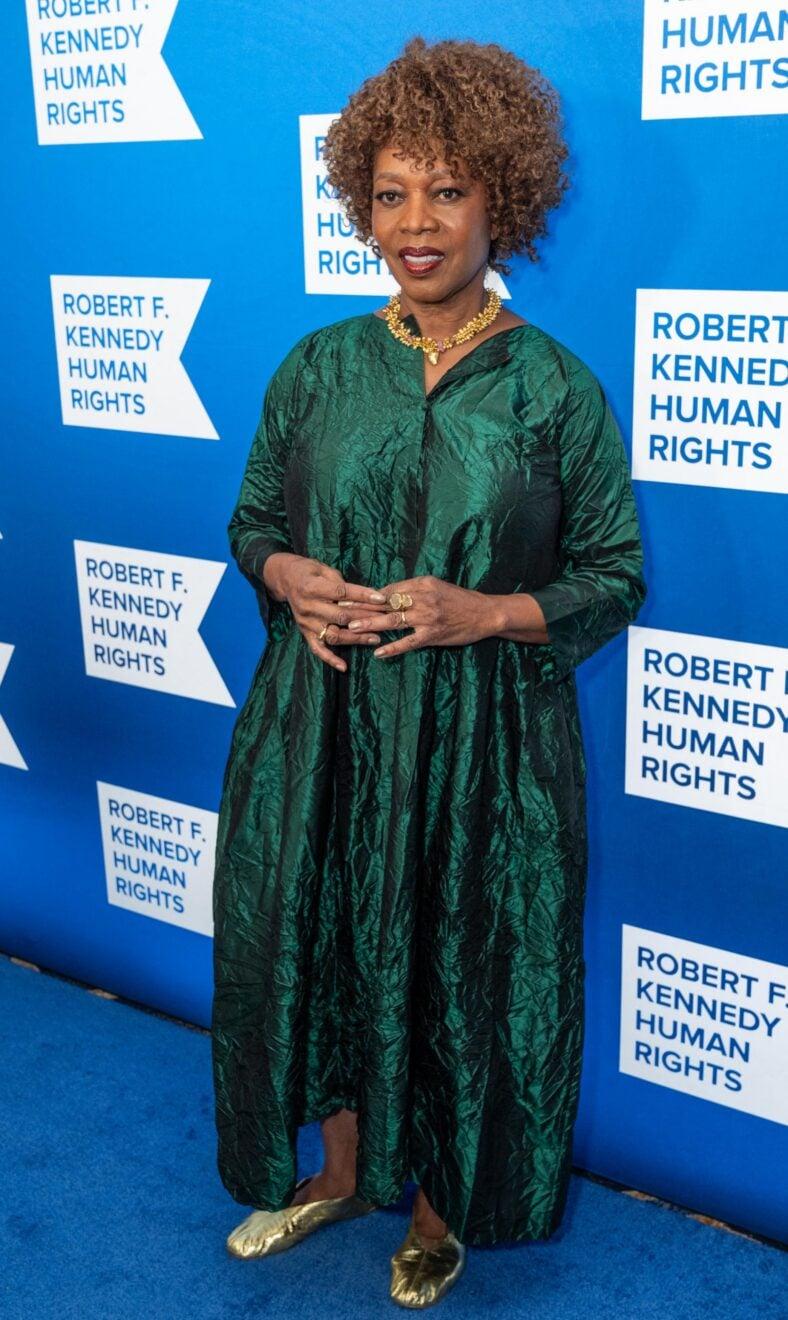
Long before Hollywood questioned whether she belonged, Woodard said her family in Tulsa, Oklahoma, made sure she knew exactly who she was. Raised by father Marion “MH” Woodard and mother Constance, the actress grew up in a household where confidence and resilience were expected.
“From the time I can remember, my father would say, ‘Nobody, no man in this world, I don’t care who it is, is better than you are,’” Woodard said. “What I got from my family is a strong sense of self, a sense of value.”
Those lessons proved especially powerful growing up during segregation. Tulsa high schools were not desegregated until 1973, but Woodard said she never doubted her voice mattered.
How Tulsa Taught Alfre Woodard Resilience
She also learned early about injustice and perseverance. At just 5 years old, Woodard said her father required the family to watch the nightly news, exposing her to the Civil Rights Movement at a young age. By age 10, she was helping her parents register voters.
Woodard also recalled a pivotal classroom moment in middle school when teachers secretly educated students about the 1921 Tulsa Race Massacre, an event largely omitted from formal curriculum at the time.
“They told the story of the 1921 Tulsa Race Massacre,” she recalled, saying the experience helped shape her understanding of survival and strength. “From the passed-along stories of those Black Tulsans who survived the violence and endured. I learned what resilience looked like.”
Alfre Woodard Refused To Let Hollywood Decide Her Future
Despite the setbacks, Woodard’s persistence paid off. After a breakout stage performance in “For Colored Girls Who Have Considered Suicide/When the Rainbow Is Enuf,” acclaimed filmmaker Robert Altman cast her in her first film role in “Remember My Name” in 1978 and later again in “HealtH.”
Her breakout film role in “Cross Creek” earned her an Academy Award nomination for Best Supporting Actress in 1983, launching a decades-long career that would eventually include four Emmy wins, a Golden Globe, and more than 100 screen credits.
But even now, Woodard says success was never about trophies. “I’m a child of Southern Blackness, a grandchild and a great-grandchild,” she said. “You push and you work because you’re part of the continuum! The trophy is not the thing.”