

New details about Jeffrey Epstein are raising fresh questions about the late financier’s private world.
According to a new report, Epstein developed an unusual fixation on Islamic design, acquiring rare tapestries and artifacts to furnish a peculiar structure on his infamous island. The décor choice has drawn renewed scrutiny over how he curated his surroundings.
The report also points to Epstein’s alleged connections with Saudi elites, claiming he sought to use those relationships to gain access to the kingdom’s Crown Prince.
Jeffrey Epstein Acquired Rare Tapestries
Beyond his crimes, Epstein was also known for his eccentric tastes, something a new report from The New York Times suggests extended to collecting rare Islamic artifacts. Among the items were tapestries embroidered with Quranic verses, reportedly shipped from the Kaaba, Islam’s holiest site.
The report claims the pieces were extraordinarily rare. One tapestry was said to have been used inside the Kaaba itself. Another, known as a Kiswa, was reportedly displayed on the exterior of the shrine. In email correspondence cited by the report, one artifact was described as having been “touched by a minimum of ten million Muslims of different denominations.”
Additional items, including tiles sourced from a mosque in Uzbekistan, were used to decorate a peculiar structure on Epstein’s private island. He reportedly referred to the building as his “mosque,” though it remains unclear whether it was ever used for religious purposes.
Epstein Forged A Connection With Saudi Elites
Uncovered by the report was also how Epstein forged connections with several elites in Saudi Arabia during his years visiting the Middle East. He had reportedly hoped that, by virtue of his connection with them, he would gain access to Mohammed bin Salman, the current Crown Prince of Saudi Arabia, who at the time was the Deputy Crown Prince.
Ultimately, Epstein did secure a meeting with Slaman, but his dreams of becoming his financial adviser in oil-related deals fell through. Bin Salman was said to have paid the Wall Street financier no attention upon rising to the position of Crown Prince.
Jeffrey Epstein’s Eerie London Flats Revealed

A recent BBC exposé revealed that Epstein owned at least four flats in and around London, where he allegedly housed victims of sexual abuse.
The properties were located in some of the city’s most sought-after neighborhoods, including Kensington and Chelsea. Despite their upscale locations, the flats were reportedly overcrowded with women Epstein had trafficked into the U.K., creating harsh and unsuitable living conditions.
According to the report, the businessman showed little interest in addressing the situation, even when concerns were raised.
Investigators also identified Eurostar as a key method he allegedly used to move victims across borders. Between 2011 and 2019, he is believed to have paid for at least 53 tickets to transport women from France to England, though the total number of victims remains unclear.
Epstein’s Zorro Ranch Faces Renewed Scrutiny

While his private island in the U.S. Virgin Islands remains the most notorious property tied to Epstein, his New Mexico estate, Zorro Ranch, has also come under renewed scrutiny.
Earlier this year, the ranch, which is no longer owned by Epstein, was the subject of a search warrant executed by state investigators. Authorities said the move was part of an ongoing probe into activities that allegedly took place on the property before the convicted sex offender’s death in 2019.
Interest in the site intensified following the release of additional documents tied to the Epstein files, which included claims that two foreign girls were buried at the ranch.
Jeffrey Epstein Was Only Charged In The U.S.
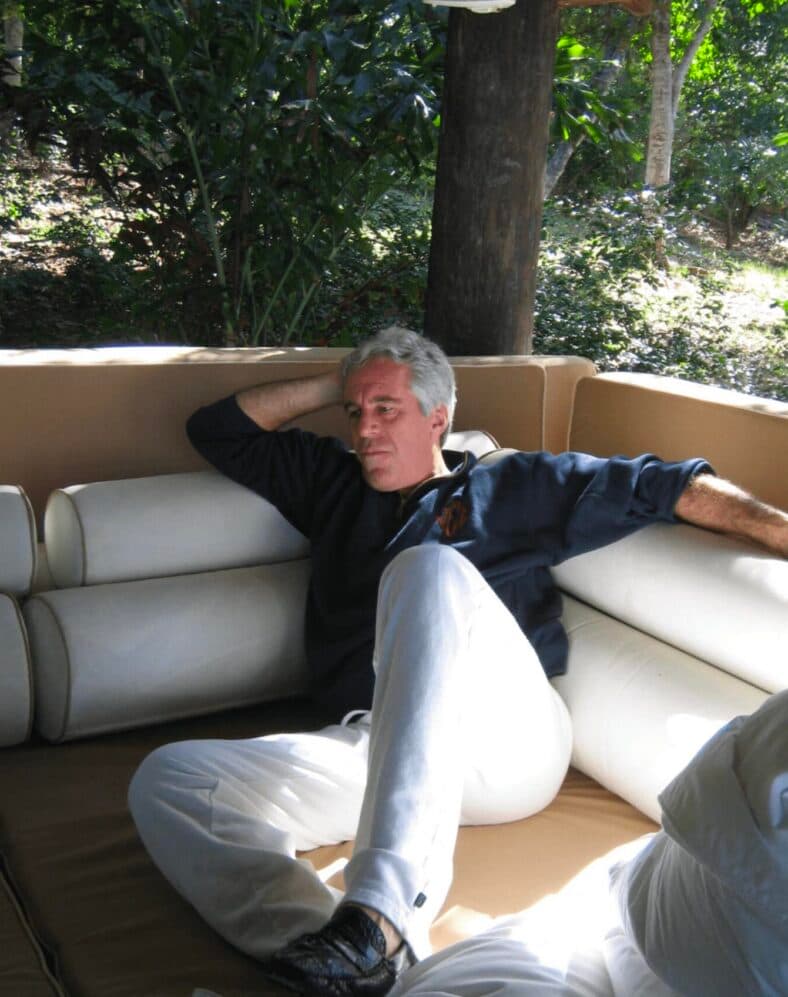
Despite allegations spanning multiple countries, Epstein was never prosecuted outside the United States.
In 2019, he was charged with sexually abusing and trafficking dozens of underage girls, more than a decade after his earlier conviction for soliciting sex from a minor. His case never made it to trial, as he died by suicide while in detention at a Manhattan jail that same year.
Since his death, documents tied to his case have implicated several high-profile figures, including Børge Brende, Peter Mandelson, Thomas Pritzker, and Lawrence H. Summers.
While some of those named have faced reputational fallout and, in certain cases, stepped down from roles, no major criminal charges have been brought against them.