

Lena Dunham’s latest interview is raising eyebrows for all the wrong reasons. After discussing her new memoir in a recent interview, the author has found herself at the center of online criticism, with some accusing her of lacking self-awareness.
Others went a step further, saying their long-standing dislike of the “Girls” creator remains unchanged.
Dunham spent nearly a year writing “Famesick,” which was released on April 14. The memoir explores her life after breakout success, delving into her experiences with fame, illness, addiction, and relationships.
Lena Dunham Blasted For Lacking Self-Awareness
To promote her new book, Dunham sat down with The New York Times in an interview titled, “Lena Dunham Is Still Trying to Figure Out Why People Hate Her.”
That framing only appeared to reignite criticism, particularly from those who already had issues with the writer.
One viral social media post claimed that Dunham lacked introspection, suggesting that was why she struggles to understand the backlash directed at her.
“Dreaming of lacking self-awareness to this degree, omg,” the user wrote on X.
Critics Cite The Writer’s Past Controversies
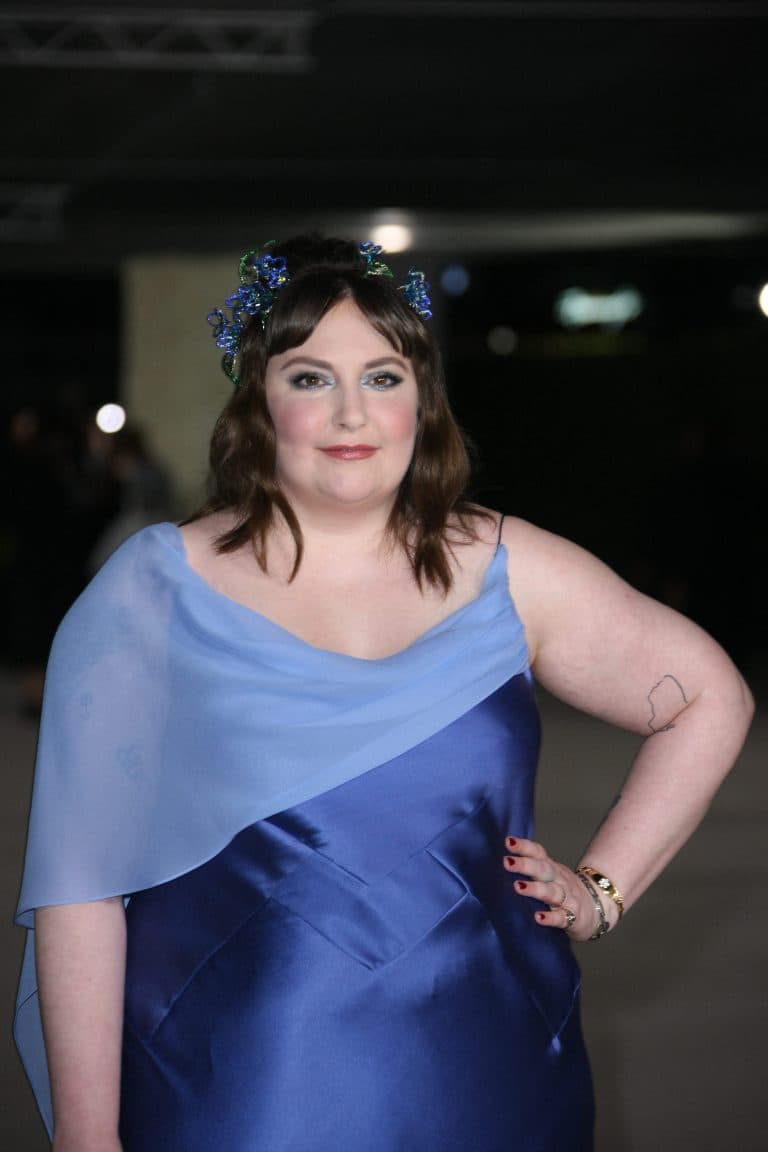
Some critics went further, arguing that Dunham’s long-standing controversies are a major reason she continues to face backlash.
“Why is ‘hated’ in past tense? We still hate her,” one user wrote. “She needs to look in a mirror and do some self-reflecting,” another added.
Amid the flood of reactions, one viral comment listed a series of past allegations and controversies tied to the writer, suggesting they explain the ongoing criticism.
“Revisionists can pretend it’s about misogyny or envy, but the record speaks for itself,” the user wrote.
In a separate post, another critic echoed similar sentiments, claiming there are “legit reasons” why Dunham remains widely disliked and calling for the conversation around her to move on.
Lena Dunham Shares Why She Thinks She’s Hated
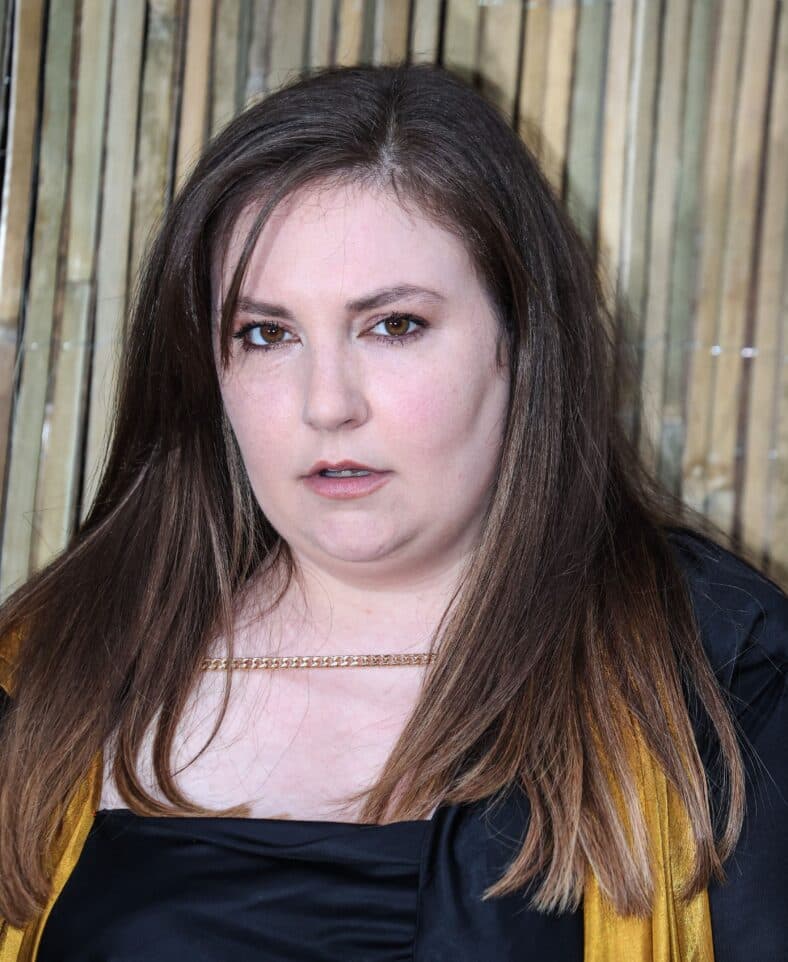
In her interview with The New York Times, Dunham also reflected on why she believes she’s widely disliked. She admitted it’s not something she has analyzed deeply, but suggested it likely stems from a mix of her personality growing up and her work on “Girls.”
Reflecting on her childhood, the author described herself as an “annoying” kid.
“I was loud. I didn’t always know how to move through space with other kids in a way that wasn’t a little off or disruptive,” she said.
Dunham also pointed to the intense backlash “Girls” received over its portrayal of female sexuality, suggesting it played a role in shaping the criticism that has followed her in recent years.
Dunham Was Anxious About Feedback From Loved Ones
Dunham also revealed she felt anxious about how those closest to her would react to the memoir.
When asked whose name would make her most nervous to see in her inbox after reading the book, she admitted there were several possibilities, but ultimately pointed to her parents.
“Honestly, having my parents read it was the most anxiety-producing part of the process,” Dunham said.
According to her, the pressure came from knowing how they would approach the book.
“I knew they were going to fact-check while also looking at it in a protective parents’ way. So, when they popped up in my inbox, that was a curl-up day.”
The writer went on to note that her father’s remark stood out in particular, as it offered what she described as a remarkably accurate assessment of the range of reactions her book might receive.
Lena Dunham Hopes ‘Famesick’ Helps Readers Feel Safe Again
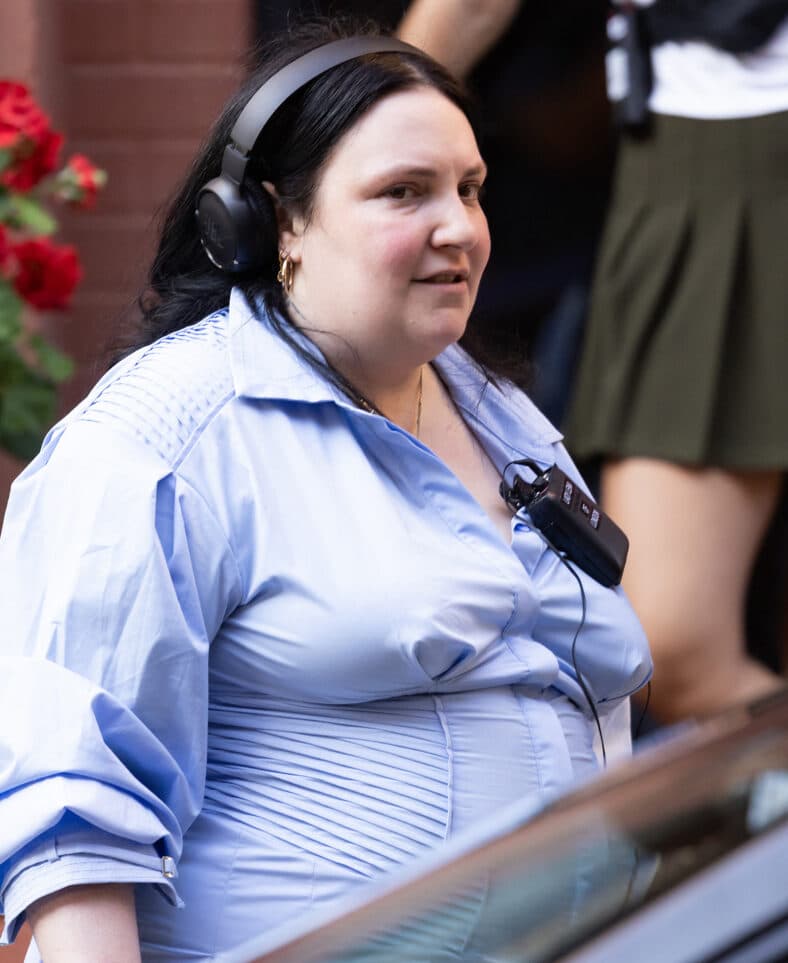
As for what she hopes readers take away from the book, Dunham shared her thoughts in a recent interview with PEOPLE Magazine.
“I hope that the book makes people feel that whatever unique trip they’re taking, no matter what sort of peaks and valleys, that there’s value in it and that out the other side, [they] could feel good and even safe,” she told the outlet.
Dunham added that there was a time she feared she might never feel safe again, but that has since changed.
Now in a better place, she hopes her experiences can offer reassurance to others navigating their own complicated paths into adulthood.