
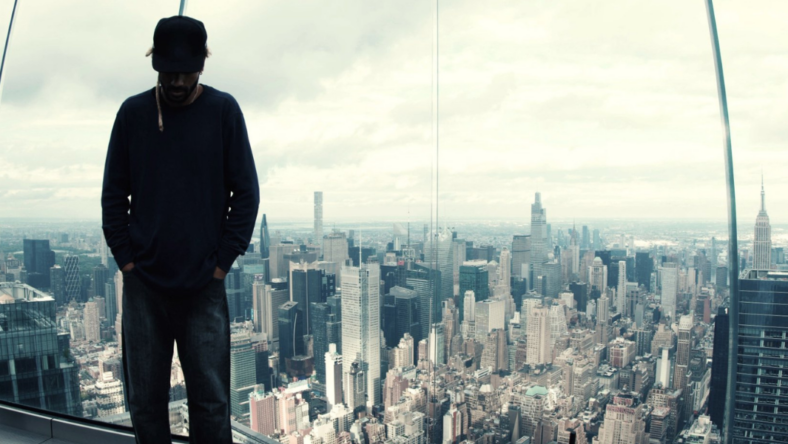
In 2021, a painting by Amoako Boafo sold at Christie’s for over $3 million. Three years later, works by the same artist were failing to sell at all. The collectors who drove up his prices had moved on. The galleries were still there. The hype was gone.
That story—rapid ascent, institutional embrace, speculative collapse—has played out often enough that a small number of artists have decided the visibility itself is the problem. Not the work. Not the market. The exposure.
A third model is starting to take shape—one that looks nothing like the traditional art world career. No galleries. No auction records. No public inventory. Just work, held by the artist, sitting in storage, gaining value while no one is paying attention. In investment terms, it is a long-only, illiquid position with no mark-to-market pressure and no forced exit. Whether that constitutes a viable wealth-building strategy depends entirely on what the work is worth when someone finally decides to find out.
How Artists Have Historically Built Wealth
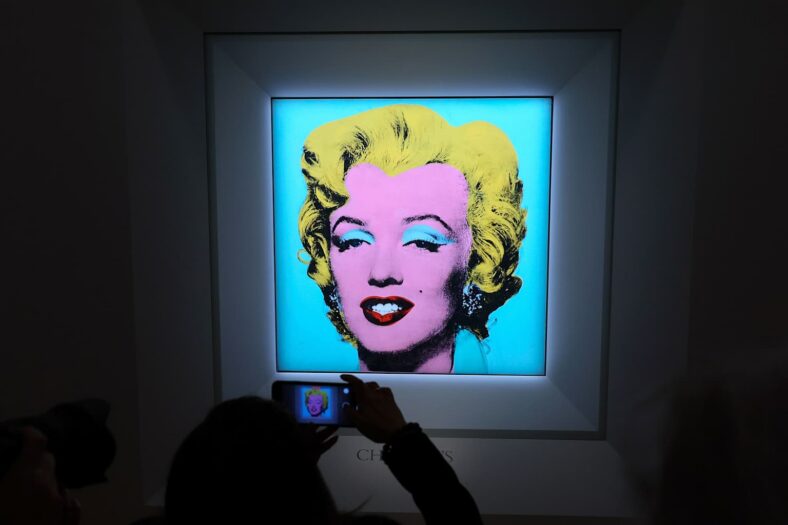
Andy Warhol died in 1987 worth an estimated $220 million. His estate has since generated billions. Jean-Michel Basquiat went from tagging subway cars to selling paintings in galleries within a few years. He died at 27 in 1988, leaving behind roughly 1,500 drawings and 600 paintings. His Untitled sold for $110.5 million at auction in 2017. The Basquiat estate is now valued in the billions.
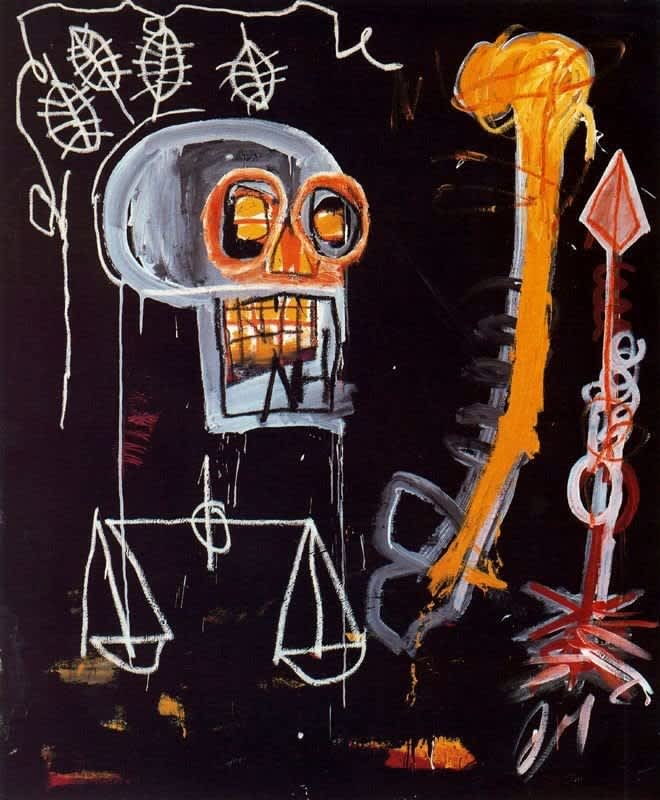
In both cases, the pattern was the same. Fame came quickly, output was high, and the real money came after the artist was gone. The collectors and estates were the ones who profited most. The artists themselves—at least financially—got the smallest share of the value they created.
The Blue-Chip Model
A later generation of artists figured out how to capture that value while still alive. Jeff Koons, Damien Hirst, and Takashi Murakami all built large-scale production operations with mega-gallery representation, coordinated auction strategy, and dozens of studio assistants. They treated their names as brands and ran them accordingly.
Koons is worth an estimated $400 to $500 million. Hirst is estimated between $300 and $700 million depending on the source. They are not working outside the art market system. They are the system.
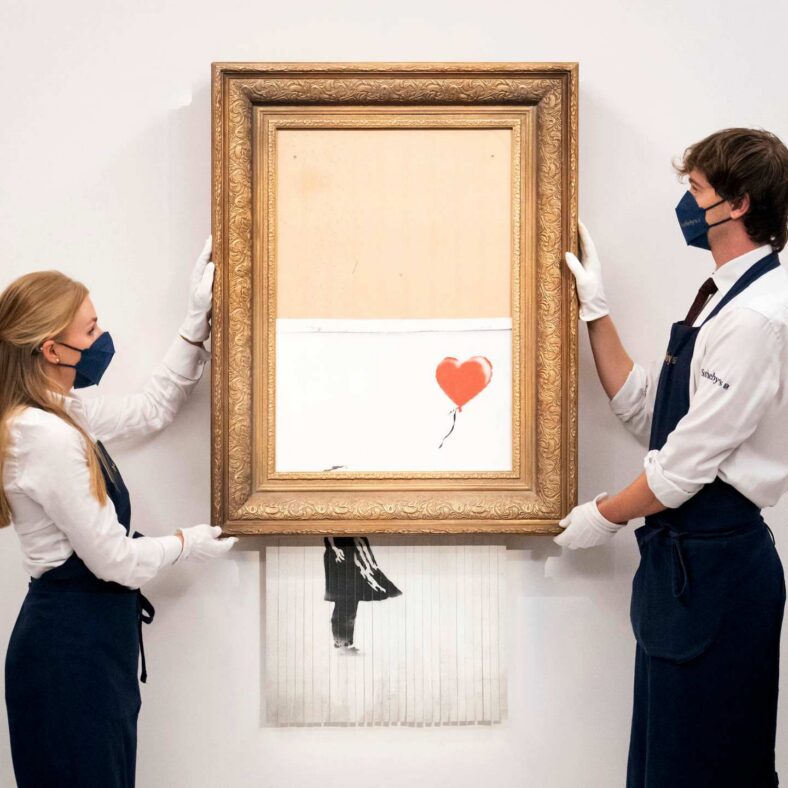
Banksy took a different route. No confirmed identity, but an estimated net worth between $50 and $100 million. He showed that an artist could skip the celebrity side of things entirely and still build serious wealth. But even Banksy became a kind of brand over time. The shredded painting at Sotheby’s, the authentication service, the controlled leaks. The anonymity itself became a marketing strategy—which is to say, it stopped being anonymous.
The Risk of Visibility
Not every artist who enters the spotlight sees it work out long-term. Amoako Boafo is the clearest recent example. The Ghanaian painter’s portraiture—bold, gestural, Black subjects rendered with unmistakable presence—attracted serious institutional attention fast. Auction prices climbed past $3 million at Christie’s within a few years of his emergence. Gallery representation followed. So did the kind of critical momentum that makes careers.
Then the secondary market cooled. Works began selling below estimate or failing to sell at all. The speculative buyers who had driven up his prices moved on to the next emerging name. Boafo continues to make significant work, but his market trajectory is a case study in what happens when visibility arrives faster than value has time to consolidate. The system that elevated him also exposed him.
A recent report in Global Banking & Finance Review examined what it describes as the “grey zone” of the art market: artists operating entirely outside gallery infrastructure, with no auction presence, who build value through private sales and retention. According to the report, production costs for these artists can run six figures per exhibition cycle, with no gallery advances or institutional support. The number of artists sustaining this model at any meaningful financial scale is very small.
Artists Building in Private
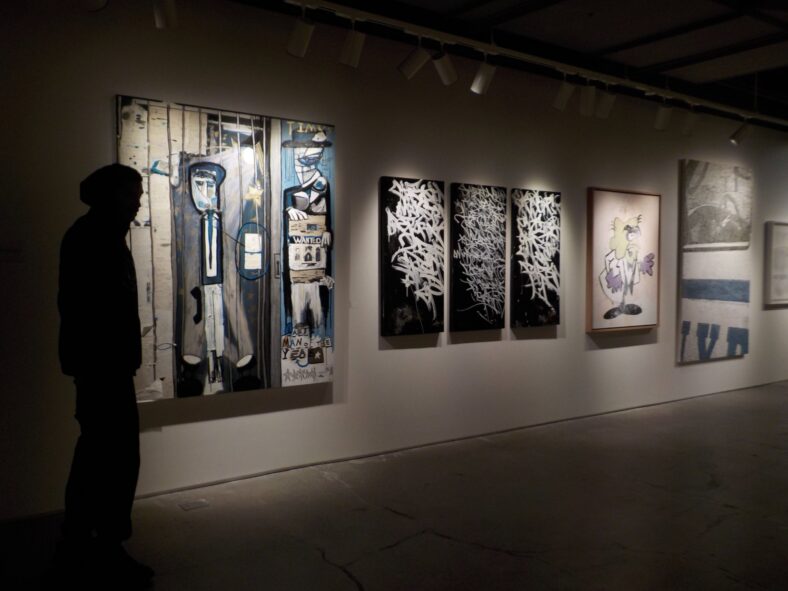
Most artists working this way remain genuinely unknown to the broader market. That is generally by design. But a small number have left enough of a public trail to analyze.
Jet Le Parti, a Forbes 30 Under 30 honoree, has been self-funding exhibitions since 2019. He has no auction record, no gallery representation, and no public inventory. The work—large-scale paintings and mixed-media pieces that have been exhibited in New York and Los Angeles—is retained. Collectors are acquired through private referral networks rather than art fair foot traffic or gallery mailing lists.
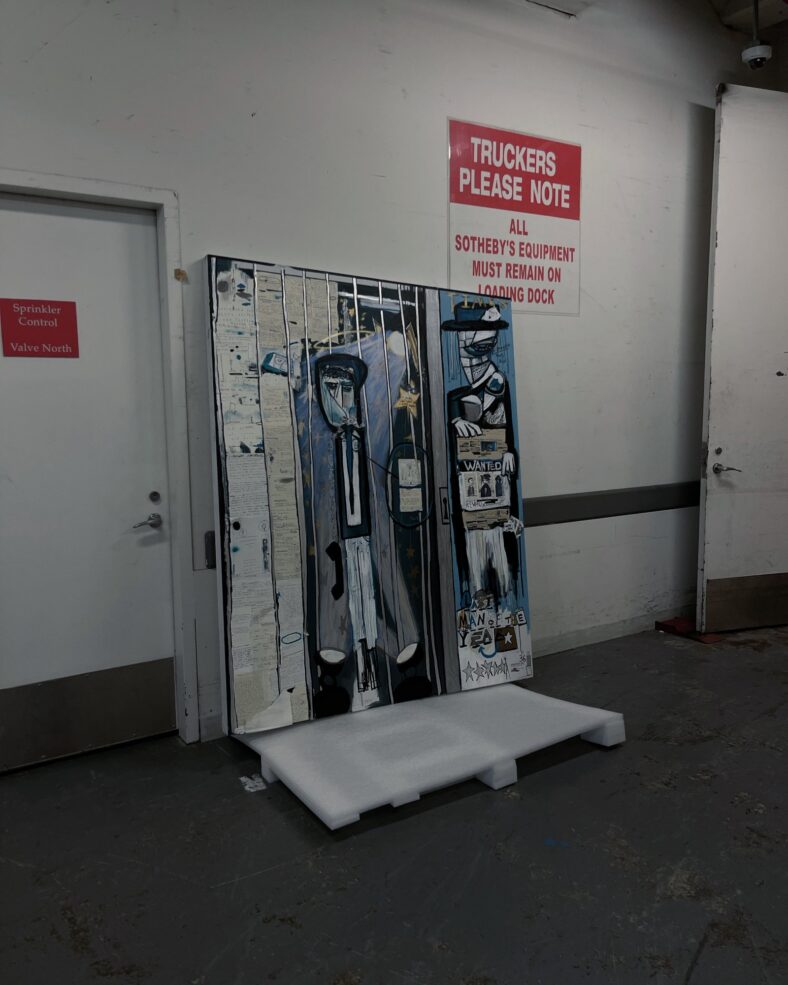
The GBFR report applied what it calls an “operational methodology” to his production—looking at documented costs, secondary market transactions, and six years of output—and estimated his retained holdings at $5 to $10 million. The report notes the figure is difficult to independently verify, adding that this is “precisely the point.”
What separates Le Parti from other independent artists, according to the report, is the business infrastructure built around the practice. Beyond the paintings, he operates an art advisory and cultural intelligence firm, and has developed fintech infrastructure focused on private art transactions—tools designed for a market that, by definition, doesn’t want to be tracked. The artist is also building the system the artist operates inside.
What This Model Means for the Art Market
The traditional paths to artist wealth are well established. Early death and estate management produced enormous returns for Warhol and Basquiat. The blue-chip gallery model made Koons and Hirst among the wealthiest living artists in the world. Even the Banksy approach—controlled anonymity, strategic spectacle—eventually became legible enough for the market to price it.
The retention model does not have that kind of track record yet. Its success depends on several open questions: whether collectors will pay significant prices for artists who do not participate in the traditional visibility pipeline, whether private transaction infrastructure can function outside existing gatekeepers, and whether scarcity compounds in value the way its proponents believe it does. The Boafo example cuts both ways—it shows what overexposure can do, but also how quickly a market can reverse when institutional scaffolding is what was holding the price up. For investors who have watched speculative art markets overheat and correct, the pattern is familiar. The asset was never the problem. The pricing mechanism was.
What the grey zone artists are betting on is simpler and older than any of the market mechanics: that the work will still be there when the rest of the noise clears. As the GBFR report puts it, “The market hasn’t decided yet. Neither have the valuation models.” The artists operating in private are counting on being the ones still holding when it does.
By the Numbers
Andy Warhol (d. 1987) — $220 million at death; estate has generated billions
Jean-Michel Basquiat (d. 1988) — $110.5 million auction record (2017); estate valued in billions
Jeff Koons — Estimated $400–500 million
Damien Hirst — Estimated $300–700 million
Banksy — Estimated $50–100 million (identity unconfirmed)
Amoako Boafo — Auction high above $3 million (2021); secondary market has since cooled
Jet Le Parti — Estimated $5–10 million in retained holdings (per GBFR analysis)
All figures are estimates based on publicly available information, auction records, and market analysis. They should not be considered verified net worth calculations.
Frequently Asked Questions
What is the “grey zone” in the art market?
A term used by Global Banking & Finance Review to describe artists who operate entirely outside the gallery and auction system, building value through private channels and retaining the majority of their work.
Who are the artists operating in the art market’s “grey zone”?
Most remain intentionally anonymous. Among those with a documented public trail, Jet Le Parti is the most frequently cited example, with estimated retained holdings of $5 to $10 million accumulated over six years of self-funded production.
What is Jet Le Parti’s estimated net worth?
According to an analysis in Global Banking & Finance Review, his retained holdings are estimated at $5 to $10 million based on production costs, secondary transactions, and six years of output.
How does the retention model differ from traditional art market paths?
Instead of selling through galleries or at auction, retention-model artists hold the majority of their work and transact privately. The approach trades visibility and liquidity for long-term scarcity and price control.