BAFTA Judge Quits Over N Word Outburst Fallout
By Chukwudi Onyewuchi on February 24, 2026 at 10:15 AM EST




The fallout from Sunday’s BAFTA Film Awards is still unfolding. What should have been a night celebrating cinema instead sparked outrage after a Tourette’s campaigner involuntarily shouted a racial slur during the live ceremony.
Now, the controversy has claimed a high-profile resignation. Award-winning creative Jonte Richardson has stepped down from a BAFTA judging panel, accusing the organization of mishandling the moment and failing to protect members of the Black community.
BAFTA Judge Resigns After Ceremony Controversy
View this post on Instagram
Jonte Richardson announced he is withdrawing from the BAFTA emerging talent judging panel following the incident at London’s Royal Festival Hall.
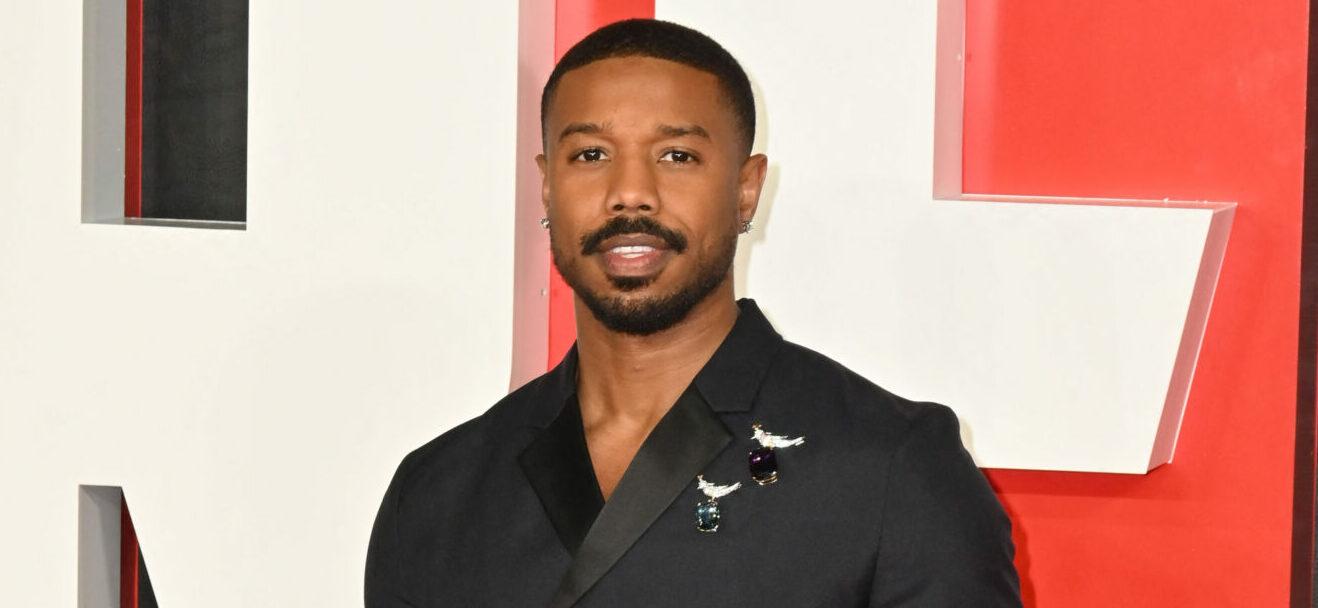
During the awards, campaigner John Davidson was heard shouting the N-word while Delroy Lindo and Michael B. Jordan were presenting on stage.
Richardson did not hold back in his criticism. Writing on LinkedIn, he said per the Daily Mail, “After considerable soul-searching, I feel compelled to withdraw from the Bafta emerging talent judging panel.”
He described the organization’s response as “utterly unforgivable” and added, “I cannot and will not contribute my time, energy and expertise to an organisation that has repeatedly failed to safeguard the dignity of its Black guests, members and the Black creative community.”
Richardson also referenced BAFTA’s long history of systemic racism and said remaining involved would feel like “condoning its behaviour.”
BAFTA And BBC Face Questions Over Broadcast Delay
The incident happened during a two-hour delayed broadcast. According to Deadline, Warner Bros executives immediately raised concerns and requested the slur be removed before airing.
BAFTA insiders confirmed conversations took place, though it remains unclear whether those concerns were relayed to the BBC and production company Penny Lane TV in time.
The BBC later issued its own apology, acknowledging that “Some viewers may have heard strong and offensive language during the Bafta Film Awards.”
The corporation explained the outburst stemmed from involuntary verbal tics associated with Tourette syndrome and admitted, “We apologise that this was not edited out prior to broadcast and it will now be removed from the version on BBC iPlayer.”
Sources also claimed producers in the gallery did not hear the word at the time, adding to confusion over how it made it into the final broadcast.
BAFTA Responds And Apologises To Guests
View this post on Instagram
BAFTA released a formal statement taking responsibility. A spokesperson said, “At the Bafta Film Awards last night, our guests heard very offensive language that carries incomparable trauma and pain for so many. We want to acknowledge the harm this has caused, address what happened, and apologise to all.”
The organization emphasized that Davidson, who has Tourette syndrome, had been introduced to the audience in advance, with attendees warned they might hear involuntary tics.
“Such tics are in no way a reflection of an individual’s beliefs and are not intentional,” the statement read.
BAFTA added, “We take full responsibility for putting our guests in a very difficult situation, and we apologise to all.” The organization also thanked Lindo and Jordan for their “incredible dignity and professionalism.”
Speaking later at the Warner Bros afterparty, Lindo revealed that he and Jordan did what they had to do,” though he admitted he wished “someone from Bafta spoke to us afterwards.”
BAFTA Incident Sparks Debate About Tourette's Syndrome
Robert Aramayo takes the win for Leading Actor in I Swear💫 #EEBAFTAs pic.twitter.com/fdHDmKE600
— BAFTA (@BAFTA) February 22, 2026
Davidson, who was made an MBE in 2019 for his advocacy work, later shared his own statement.
He said he was “deeply mortified if anyone considers my involuntary tics to be intentional or to carry any meaning.”
He also explained that he chose to leave the auditorium early in the ceremony as he was aware of the distress his tics were causing.
He thanked BAFTA for informing the audience in advance and said he felt welcomed and understood in an environment that would normally be impossible for him.
The NHS explains that Tourette syndrome causes sudden, repetitive sounds or movements, and in rare cases, can include offensive language that cannot be controlled. There is no cure, though treatment can help manage symptoms.
Davidson attended the ceremony to celebrate “I Swear,” a film based on his life, starring Robert Aramayo, which won Best Casting, while Aramayo took home Best Actor and the EE Rising Star award.
BAFTA Backlash Draws Response From Advocacy Groups
View this post on Instagram
The controversy has triggered strong reactions across social media and advocacy groups.
Charity Tourettes Action said it deeply understood the harm caused by the slur but stressed the importance of education.
The organization stated, “tics are involuntary. They are not a reflection of a person’s beliefs, intentions or character.”
It also described the online backlash as “deeply saddening,” reminding the public that individuals with Tourette’s may say words they “do not mean, do not endorse, and feel great distress about afterwards.”
Tourette Scotland echoed that sentiment, saying there was “no meaning” behind the outburst and describing the community as “kind and very empathetic, and would never like to upset anyone with their tics.”
Meanwhile, Scottish actor Thierry Mabonga, who appears in “I Swear,” defended Davidson in a TikTok video.
“John cannot control what he says. In fact, that’s the whole point of why we’re making this film,” he said, later adding that “someone who has Tourette’s should not apologise for having it.”