Kurt Cobain’s Uncle Says Suicide Story Never Made Sense
By Chukwudi Onyewuchi on February 20, 2026 at 2:30 PM EST
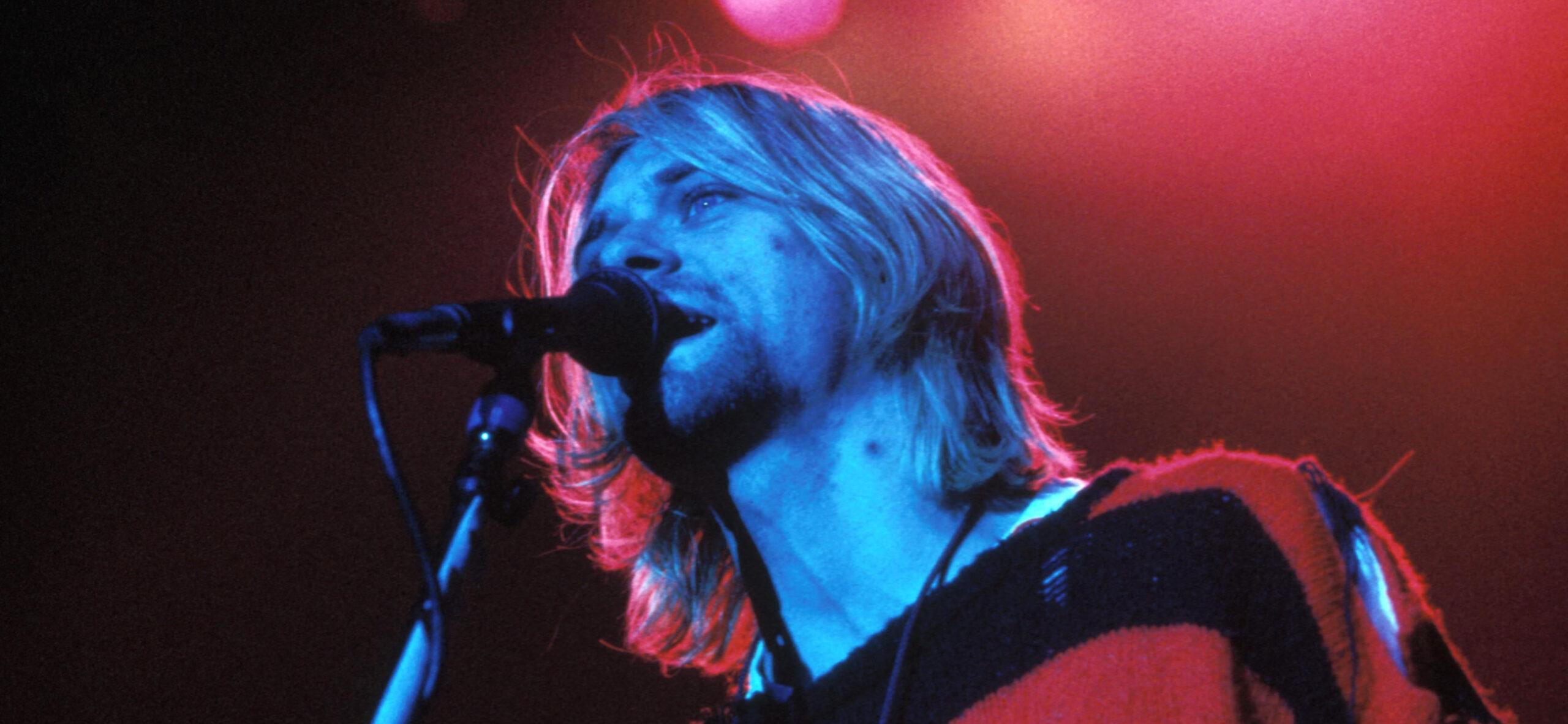




More than 30 years after Kurt Cobain's death shocked the world, his family is still searching for answers.
The Nirvana frontman was found dead in April 1994, and authorities ruled it a suicide. However, new forensic claims and renewed scrutiny have reopened old wounds.
At the center of the storm is Kurt Cobain's uncle, Gary Cobain, who says the official story never added up.
Kurt Cobain's Uncle Rejects Suicide Ruling
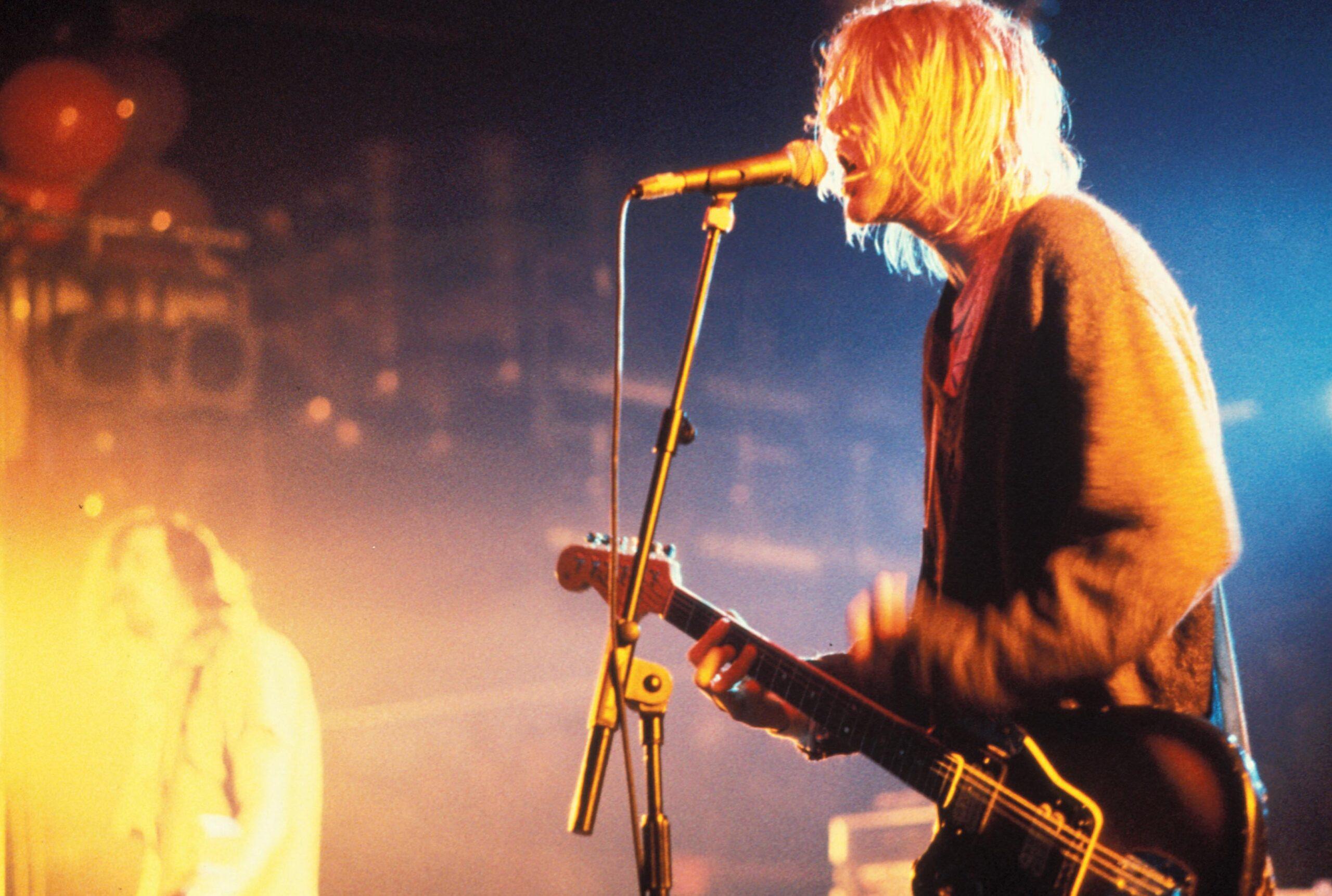
Gary, who still lives in the Aberdeen home where Kurt Cobain spent much of his childhood, has spoken out forcefully against the original findings.
"He was murdered," Gary told the Daily Mail, insisting the Seattle Police Department failed to properly investigate the case.
He described the initial probe as "sloppy," arguing that key details were overlooked. According to Gary, his father and Kurt Cobain's grandfather, Leland, also believed the death was not a suicide.
Kurt died on April 5, 1994, from a shotgun wound to the head inside his Seattle home. His body was discovered three days later in a greenhouse above the garage.
At the time, the King County Medical Examiner ruled the death a suicide, noting that a Remington Model 11 20-gauge shotgun was found in his arms and a note was placed nearby.
However, Gary says several aspects never made sense to him.
Kurt Forensics Under Fresh Scrutiny
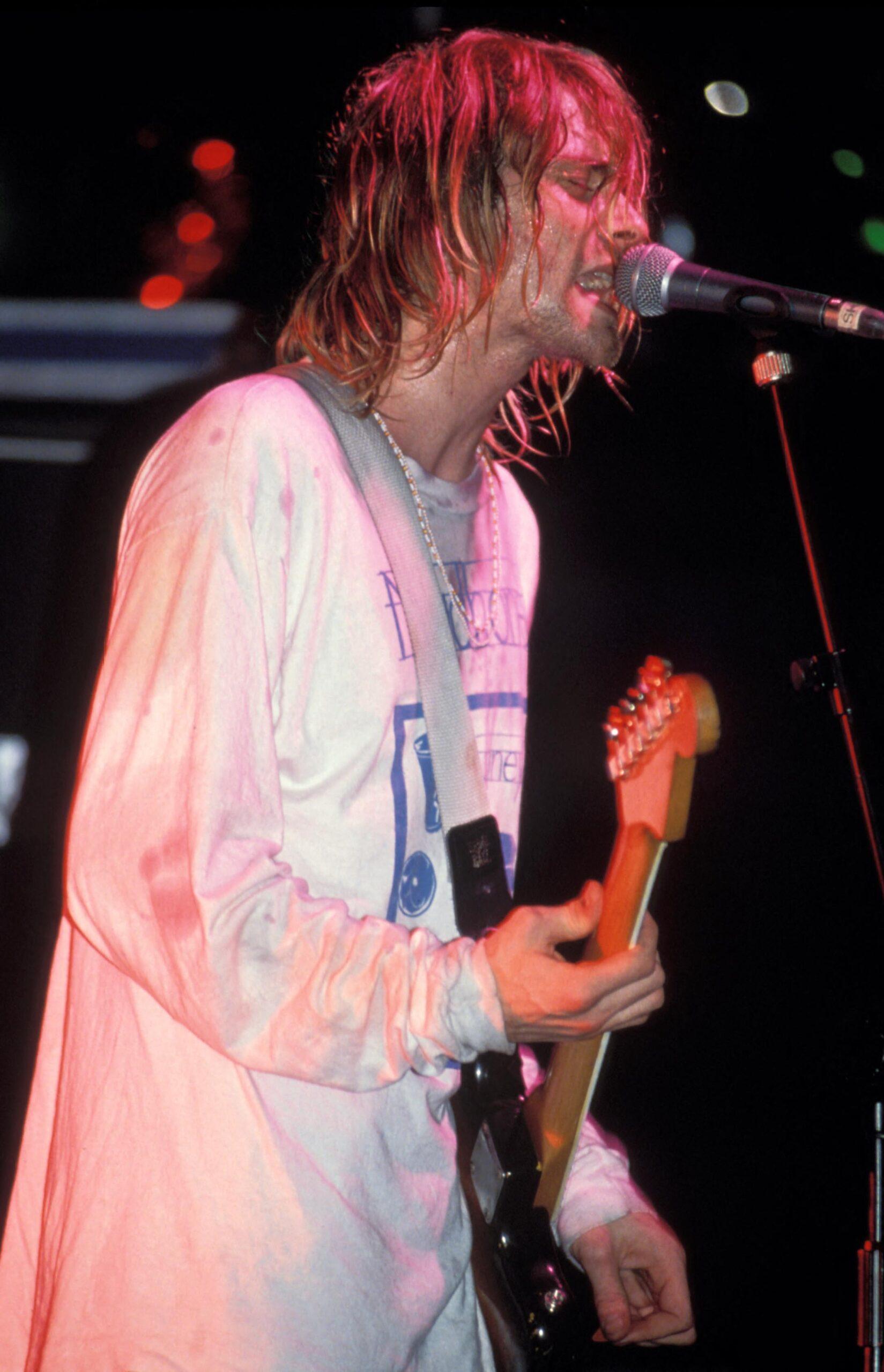
A newly published peer-reviewed forensic analysis has questioned the long-standing suicide conclusion.
A private team of investigators reviewed evidence from the scene and argued that it points toward homicide.
Gary welcomed the renewed attention, saying, "It's nice that someone else finally caught on."
One of the researchers, crime scene reconstruction expert Bryan Burnett, cited blood patterns, clothing evidence, and injury details that he believes contradict the official version of events.
Burnett identified what he described as an undocumented bloodstain on Kurt Cobain's left pant leg, calling it "extraordinary."
According to the study, the stain's pattern suggested contact transfer rather than blood pooling from a self-inflicted wound.
The researcher also noted blood on the musician's shirt that he claims indicates the body may have been moved after death.
"Cobain was bleeding onto his shirts," Burnett said, suggesting the head was tilted forward at some point.
The analysis proposes that after the fatal wound, the body may have been repositioned.
It claims, "After the intraoral shotgun discharge, Cobain's body was moved, either from a different location in the greenhouse before the staging of his body or, more likely, he was carried up the exterior stairs at the side of the garage to the greenhouse."
Meanwhile, authorities have not adopted those conclusions.
Kurt Cobain Gun And Evidence Questions
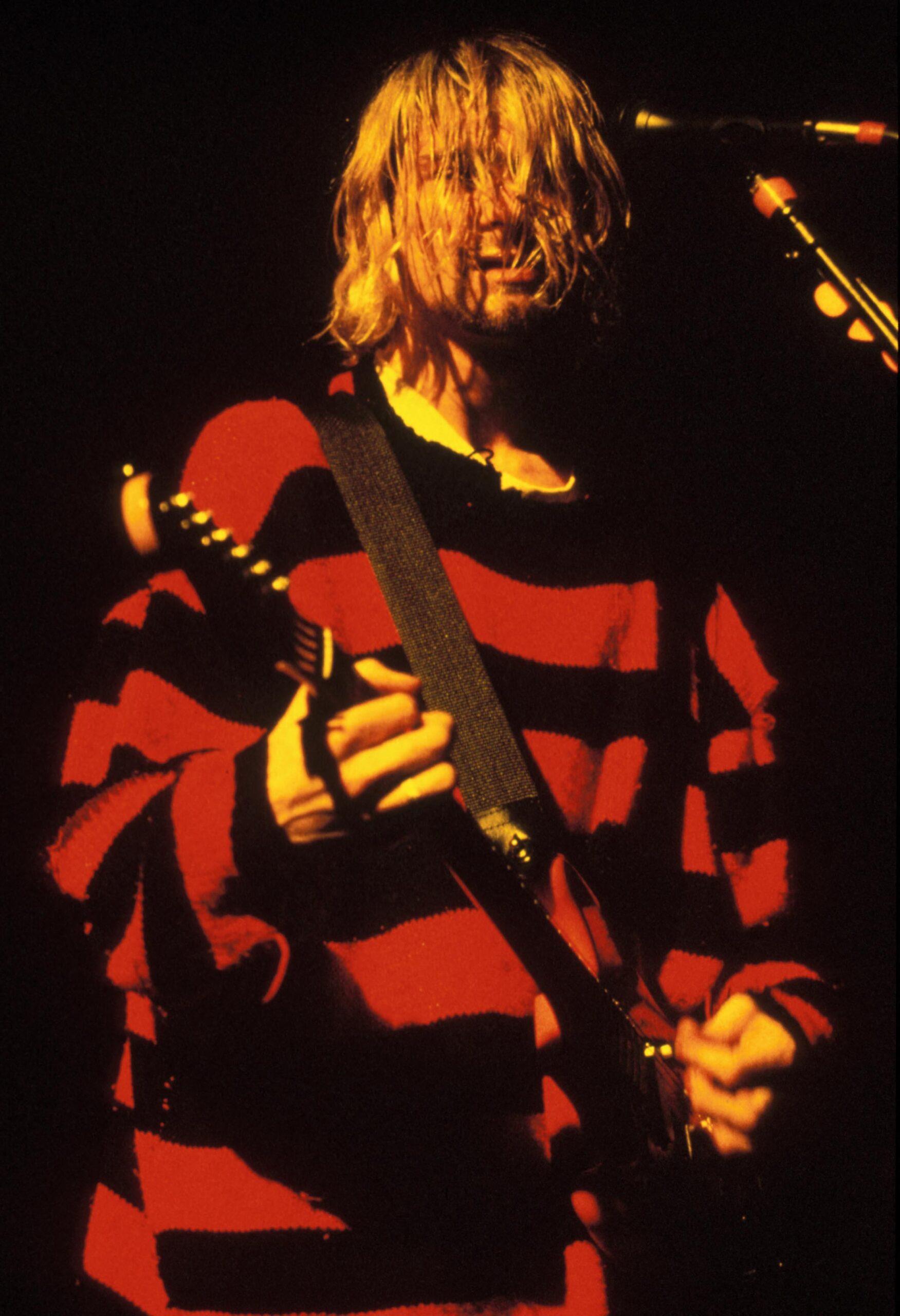
Gary has long questioned the physical evidence. He said police found only one smudged fingerprint on the shotgun, when there should have been prints all over the gun.
He didn't stop there as he also raised concerns about the weapon's size. "The gun was 45 inches long, I don't think I could reach that myself," Gary said, noting his own military background.
In addition to the gun found at the scene, the official account stated that Kurt injected heroin, set aside the paraphernalia, walked across the room, and then shot himself.
Toxicology reports listed morphine, codeine, diazepam, and heroin in his system.
The new analysis suggests another possibility: that the drugs may have been administered by someone else to incapacitate him. However, no official agency has endorsed that theory.
Meanwhile, the Seattle Police Department has made its position clear, stating, "The Kurt Cobain case remains closed. The SPD has no plans to revisit it."
The Late Singer's Early Years And Bond With His Uncle
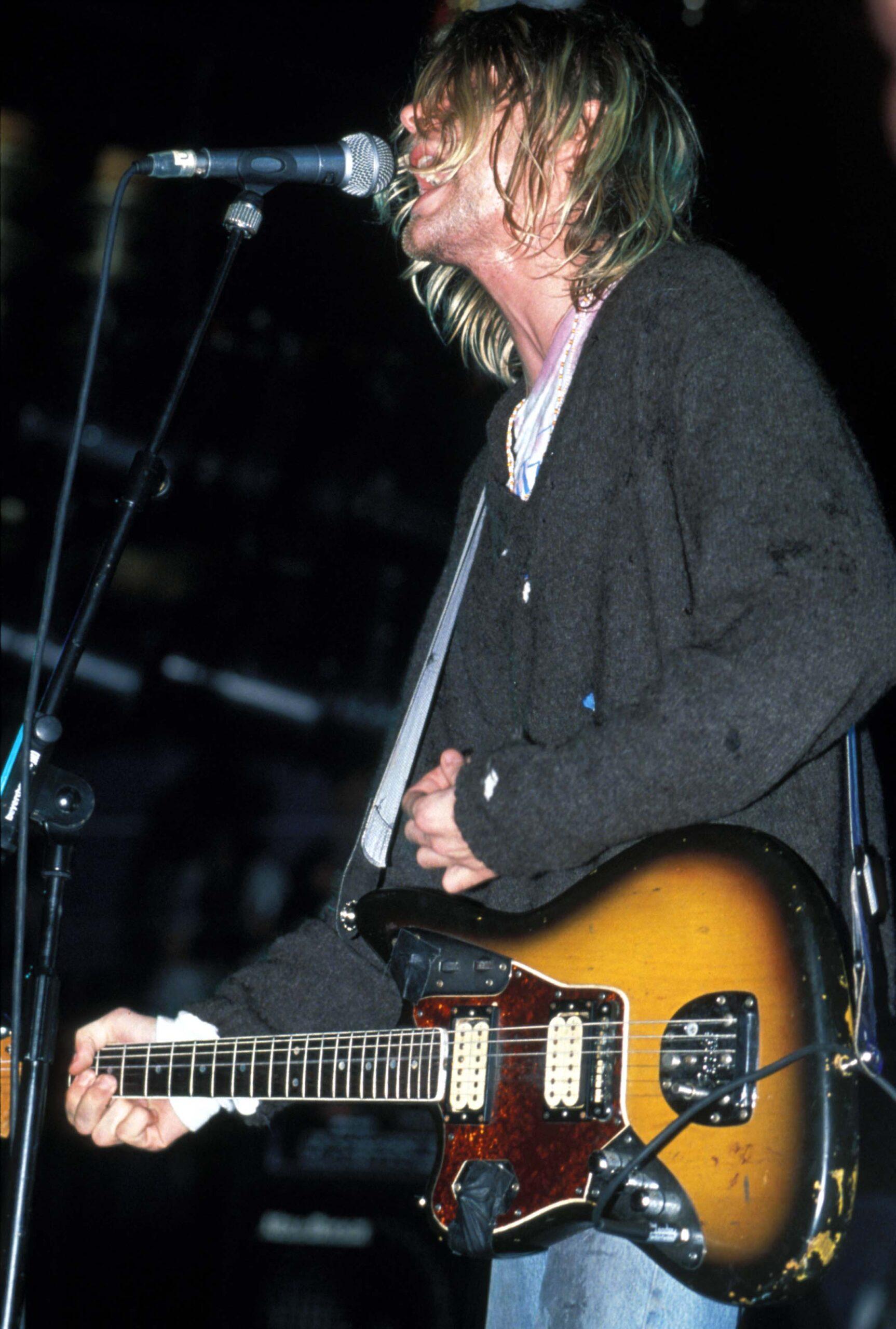
Long before his fame, Kurt Cobain was just a kid running around his grandfather's trailer in Aberdeen, Washington.
Gary remembers those early days clearly. The two were only nine years apart in age, making their bond feel more like brothers than uncle and nephew.
"That's what he wanted to be, a drummer, but he couldn't keep the beat, so he switched to guitar," Gary said, recalling how Kurt would bang on pots and pans around the house.
As a teenager, Gary even babysat him. "I must've been 16 or 17, and we were just playing. I was lying on the ground, and he would jump on my feet while I'd toss him into the air like a ball," he shared.
One day, Kurt insisted on going higher and higher until he broke his arm. After that, Gary said he never babysat him again.
He describes his nephew as cheerful in those early years. "Kurt was a good kid, he was happy and goofy," Gary said. "But that all went downhill when his parents got divorced. It was upsetting."
Kurt's parents, Donald and Wendy, split in 1976 when he was nine, something the Nirvana frontman later admitted deeply affected him.
Kurt Cobain's Death Still Haunts His Uncle
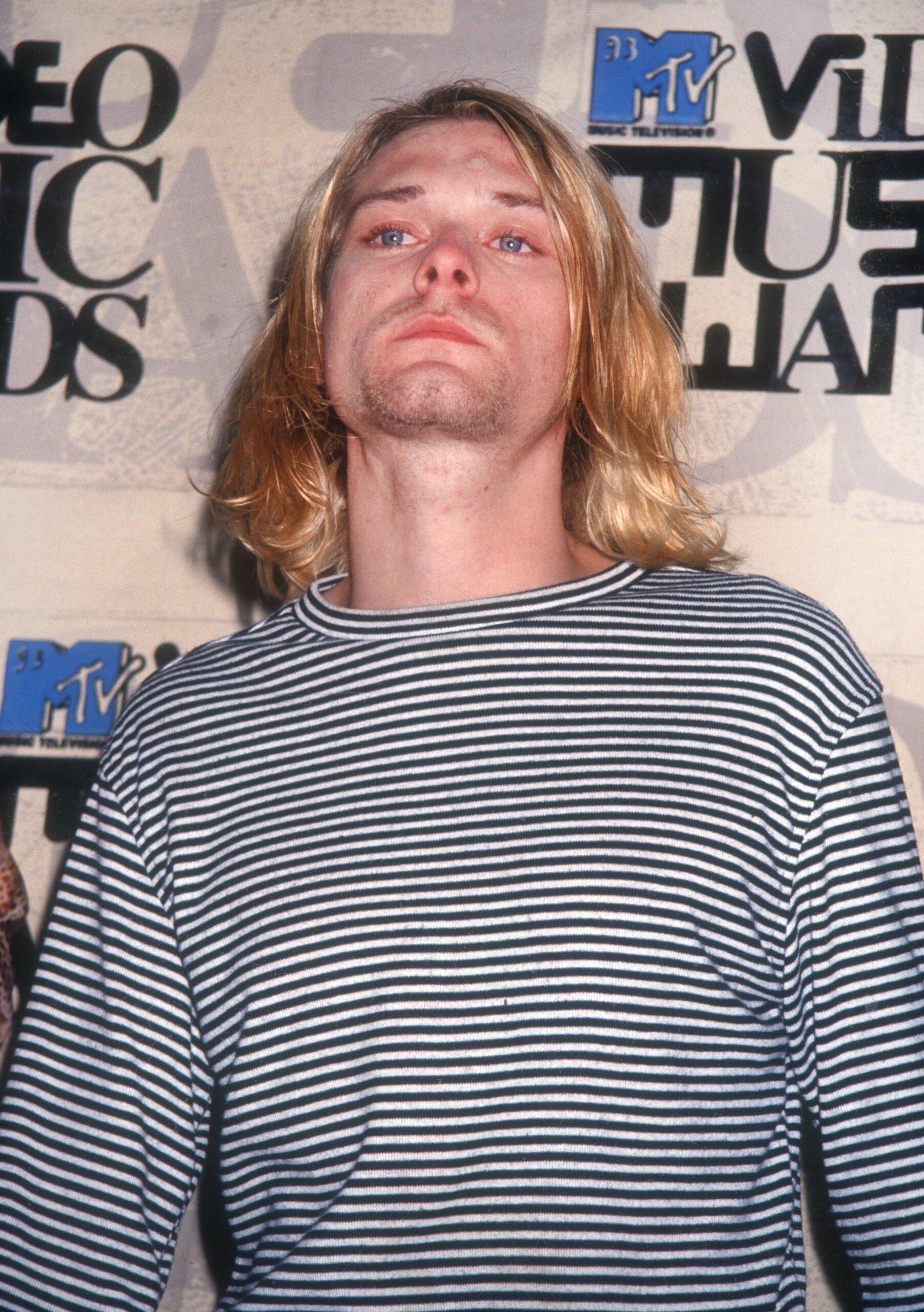
Gary still keeps a photo of Kurt taken shortly before his death. In it, the singer is sitting on a couch holding his baby daughter, Frances, with his wife, Courtney Love, nearby. Despite the image, Gary said he never actually met Love.
He first learned of his nephew's death while driving to his job at a lumber company. "I didn't go to work," he said. "I took the day off."
Today, Gary continues to live in the same trailer, which has become a stop for devoted fans who sometimes knock on his door hoping to meet him.
He is currently facing financial hardship, and friends organized a GoFundMe campaign that has raised $6,000 to help cover basic needs, including replacing a broken water heater, though Gary said he did not ask for it.
Decades later, the pain remains. Gary says he has carried anger for years, believing the full truth about Kurt Cobain's death has never been uncovered.