Kanye West Says He’s Sorry Again But History Says Otherwise
By Chukwudi Onyewuchi on January 28, 2026 at 12:15 PM EST
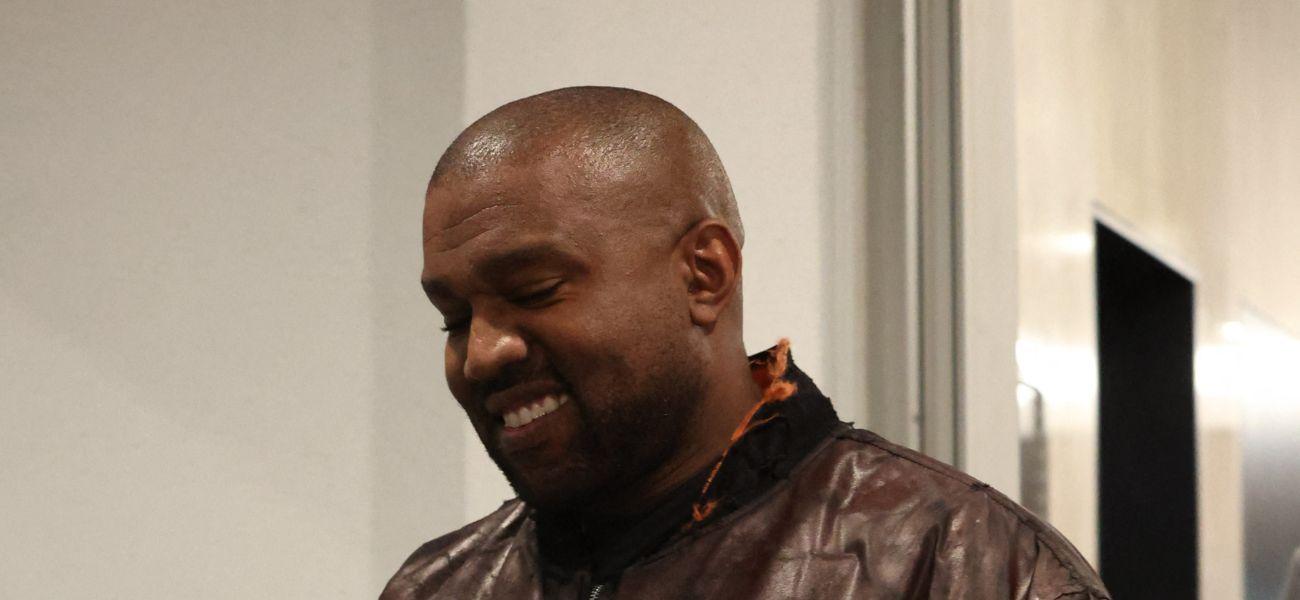




Kanye West’s latest apology for antisemitic behavior is being framed in some quarters as reflection, growth, or even accountability.
However, apologies do not exist in isolation. Rather, they live or die by patterns.
When placed beside West’s long record of escalation, reversal, and repetition, this moment feels less like reckoning and more like a familiar pause before the next provocation.
Kanye West Has Apologized Before And Then Gone Further
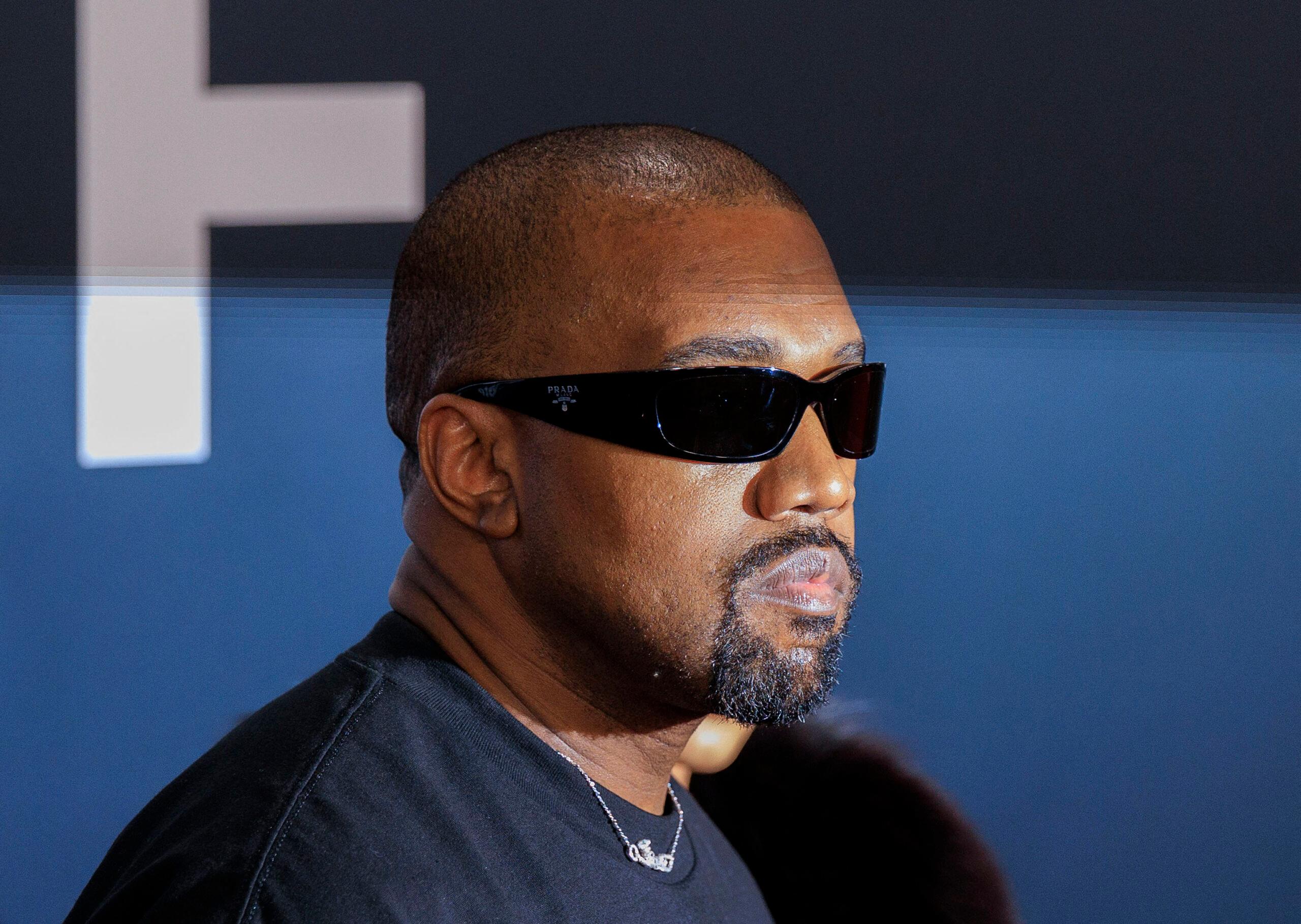
This is not Kanye West’s first apology, and that fact alone matters.
In December 2023, he issued a public message directed at the Jewish community, writing, according to translations shared by multiple outlets, “I sincerely apologize to the Jewish community for any unintended outburst caused by my words or actions.”
At the time, it was framed as a turning point. Yet apologies only carry weight when they interrupt behavior.
Less than two months later, West posted on X, “I’m never apologizing for my Jewish comments. I can say whatever the f-ck I wanna say forever.”
That reversal was not subtle or accidental. It was aggressive, explicit, and dismissive of the very people his apology had supposedly centered.
When remorse is optional and retractable, it stops being remorse at all.
Instead, it becomes a tool, and West has used that tool repeatedly, often when public backlash threatens access to platforms, partnerships, or relevance.
The Language Of West's Apology Avoids Responsibility
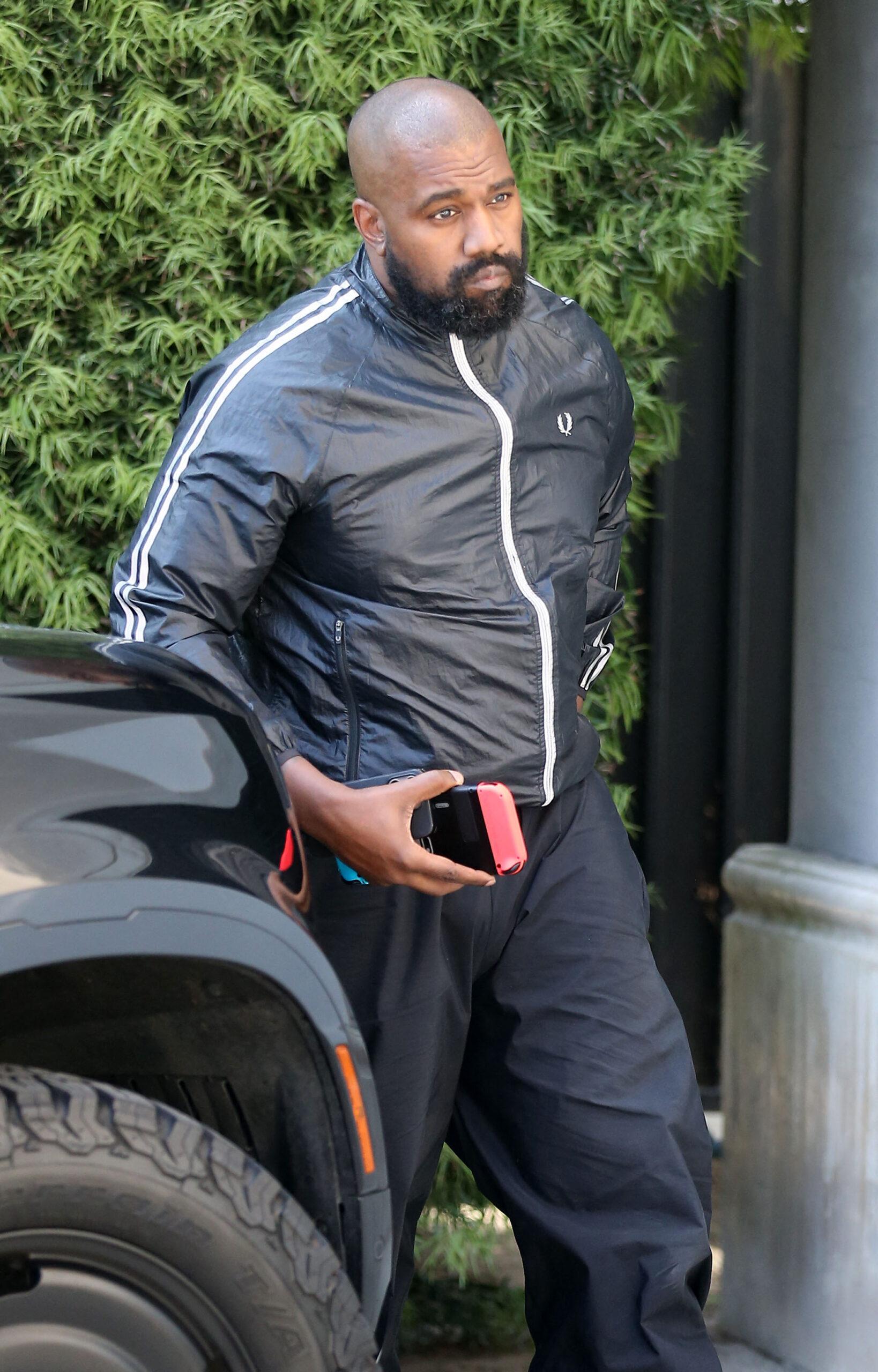
The wording of Kanye West’s apologies has followed a consistent pattern. They are broad, vague, and carefully constructed to minimize intent.
In the 2023 statement, he described his behavior as an “unintended outburst,” a phrase that suggests a momentary lapse rather than a sustained campaign of rhetoric.
However, one can contrast that framing with his own words over the years.
In 2013, during an interview on "The Breakfast Club," Kanye said, “Black people don’t have the same level of connections as Jewish people.”
He later called it an “ignorant compliment,” but the sentiment resurfaced repeatedly in more extreme forms.
Patterns matter more than phrasing. Hence, an apology that does not name specific harm, specific lies, or specific communities impacted functions more as image management than accountability.
Saying sorry without saying for what is a way to appear changed without actually changing.
Kanye West And The Attention Economy
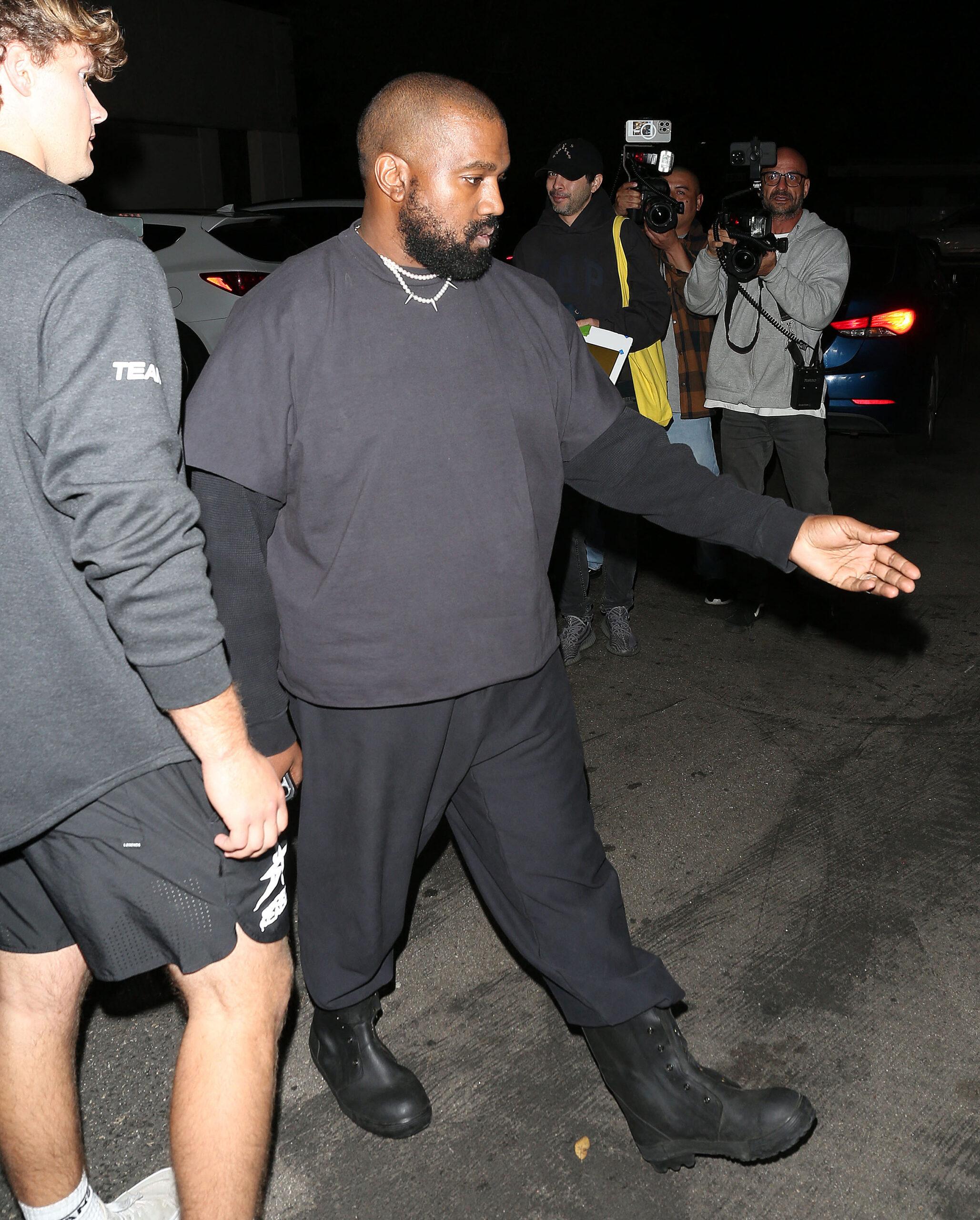
To understand why West’s apology feels hollow, it helps to look at how controversy has functioned in his career.
In 2015, he told The New York Times, “The fact that when I see truth it’s really hard for me to sit back and just allow it to happen in front of me makes me, a lot of times, a bad celebrity.”
That framing casts disruption as virtue. Over time, outrage became indistinguishable from expression. The problem is that antisemitism is not a provocative idea but a dangerous one with real-world consequences.
Even after being dropped by Adidas, Gap, and Balenciaga in 2022, West continued to escalate.
When Elon Musk suspended his account on X, Musk explained, “He again violated our rule against incitement to violence.”
That suspension came after repeated warnings and public scrutiny.
An apology issued after consequences have already landed does not undo the harm.
It simply acknowledges that the damage reached a tipping point.
Mental Health Is Not A Get Out Of Jail Free Card
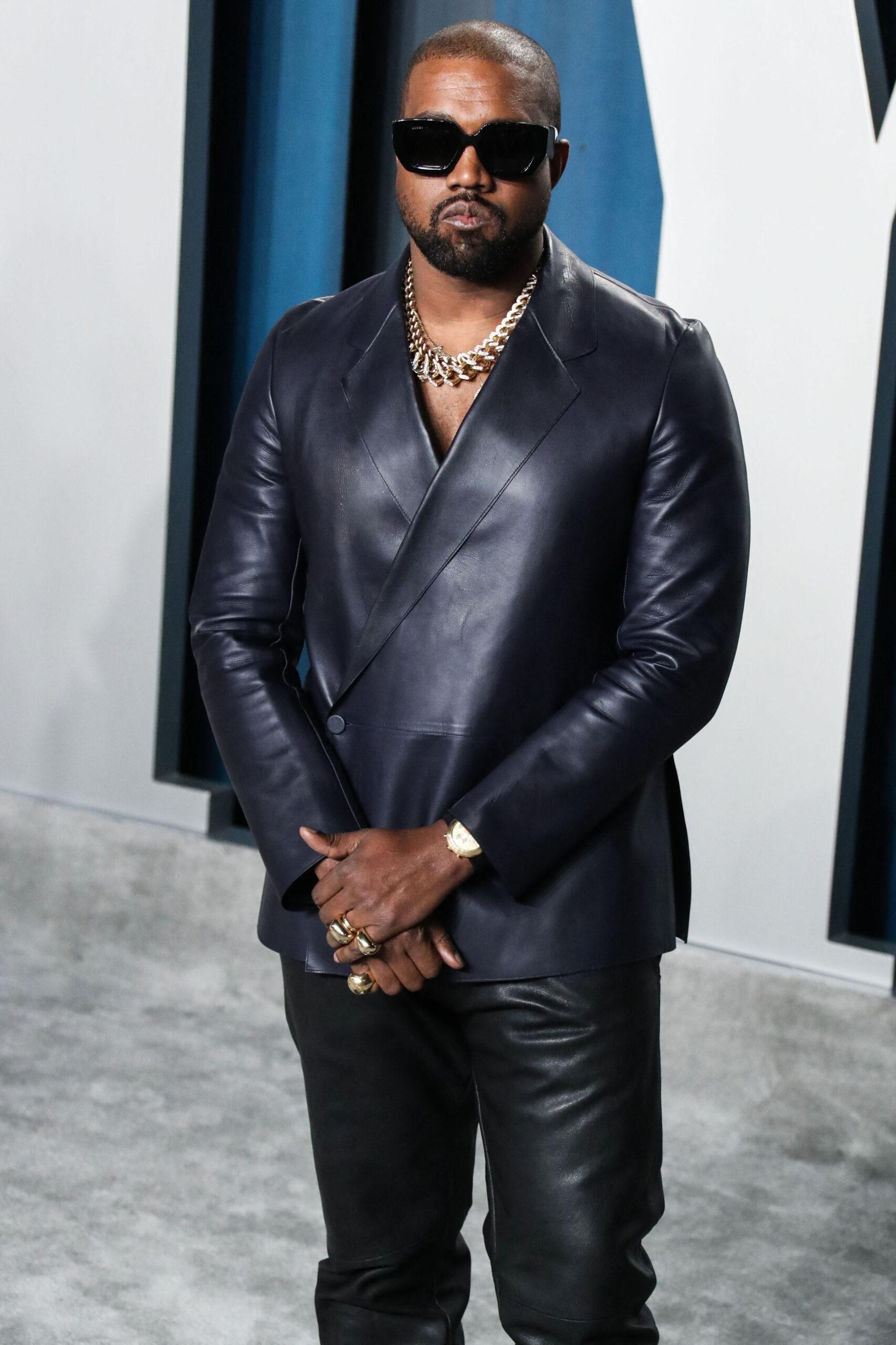
In his Wall Street Journal advertisement, Kanye West attributed much of his behavior to a brain injury and bipolar disorder, writing that the condition was not properly diagnosed until 2023.
He framed his antisemitic actions as a byproduct of untreated mental illness.
Mental health advocacy requires precision, not deflection, and bipolar disorder does not cause hatred toward a specific group.
Millions of people live with bipolar disorder without promoting conspiracy theories or aligning with extremists.
West himself has previously resisted medication. In 2018, he told TMZ, “These pills that they want me to take three of a day, I take one a week maybe.”
He also said, “Y’all had me scared of myself, of my vision.”
That choice complicates any attempt to retroactively medicalize his actions. Explanation can coexist with accountability, but an excuse cannot.
Why This Kanye West Apology Should Not Be Trusted Yet
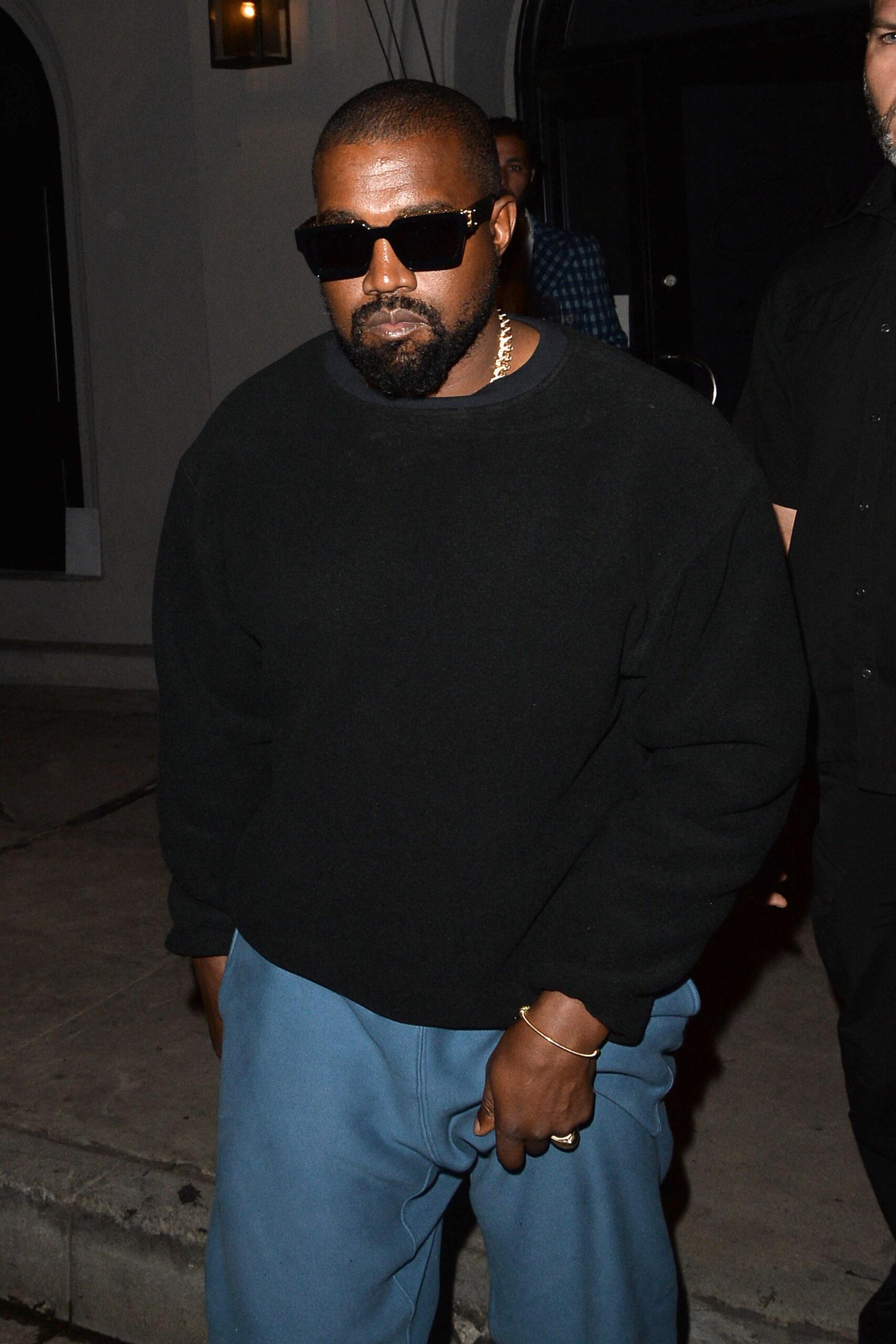
Trust is built through consistency, not statements.
Kanye West has not demonstrated a sustained commitment to unlearning antisemitic beliefs, distancing himself from extremist figures, or repairing the harm caused by years of rhetoric.
In March 2023, after claiming that watching "21 Jump Street" made him “like Jewish people again,” the public response was swift and critical.
That moment underscored how little he seemed to understand the seriousness of his actions.
Apologies are not endpoints. They are beginnings. And beginnings require follow-through.
Until West shows real change without gain or a motive, questioning him is reasonable.
Forgiveness is not owed on demand but earned over time.
For now, West’s apology feels less like growth and more like another familiar pause in a cycle that has yet to truly end.