Inside The Family Decision That Failed To Stop Nick Reiner
By Chukwudi Onyewuchi on January 19, 2026 at 8:30 AM EST
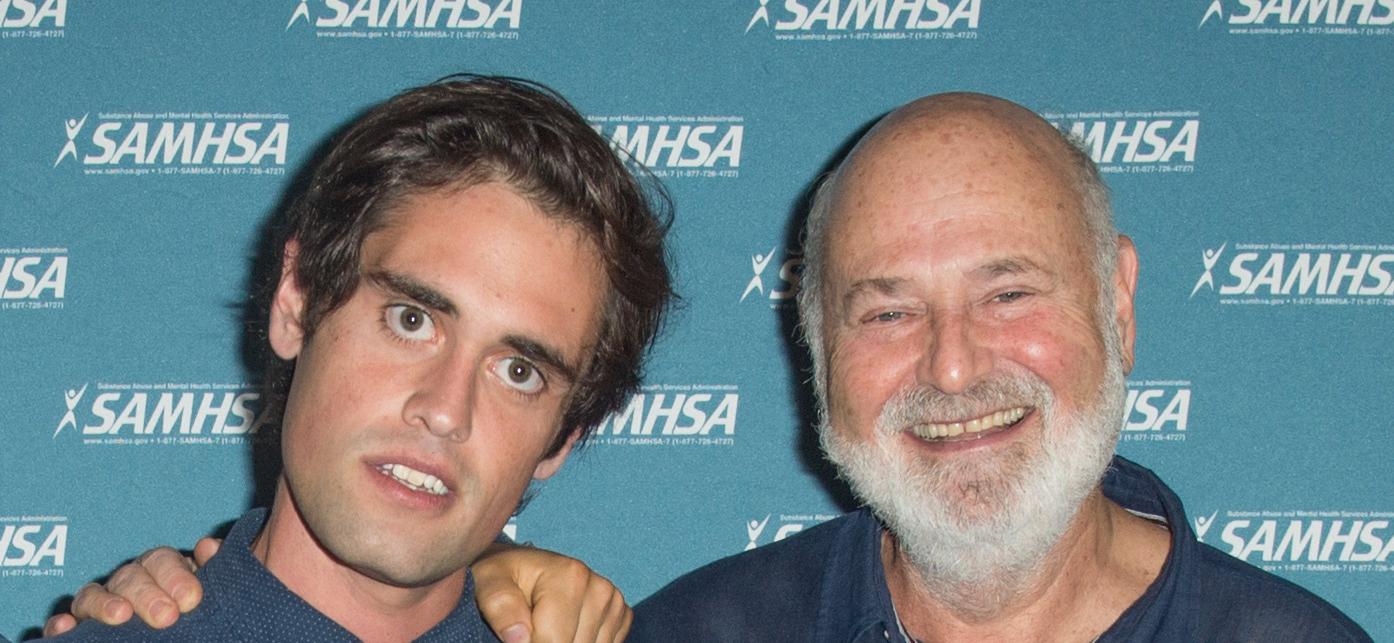




Years before Nick Reiner was accused of killing his parents, those closest to him believed drastic intervention was the only way to keep him safe.
As his mental health deteriorated and his life spiraled during the pandemic, his family turned to California’s most extreme legal safeguard.
For a brief time, it appeared to work. However, when that protection ended, the consequences unfolded rapidly, setting the stage for a tragedy that no one could reverse.
Nick Reiner’s Mental Health Crisis And Conservatorship Decision
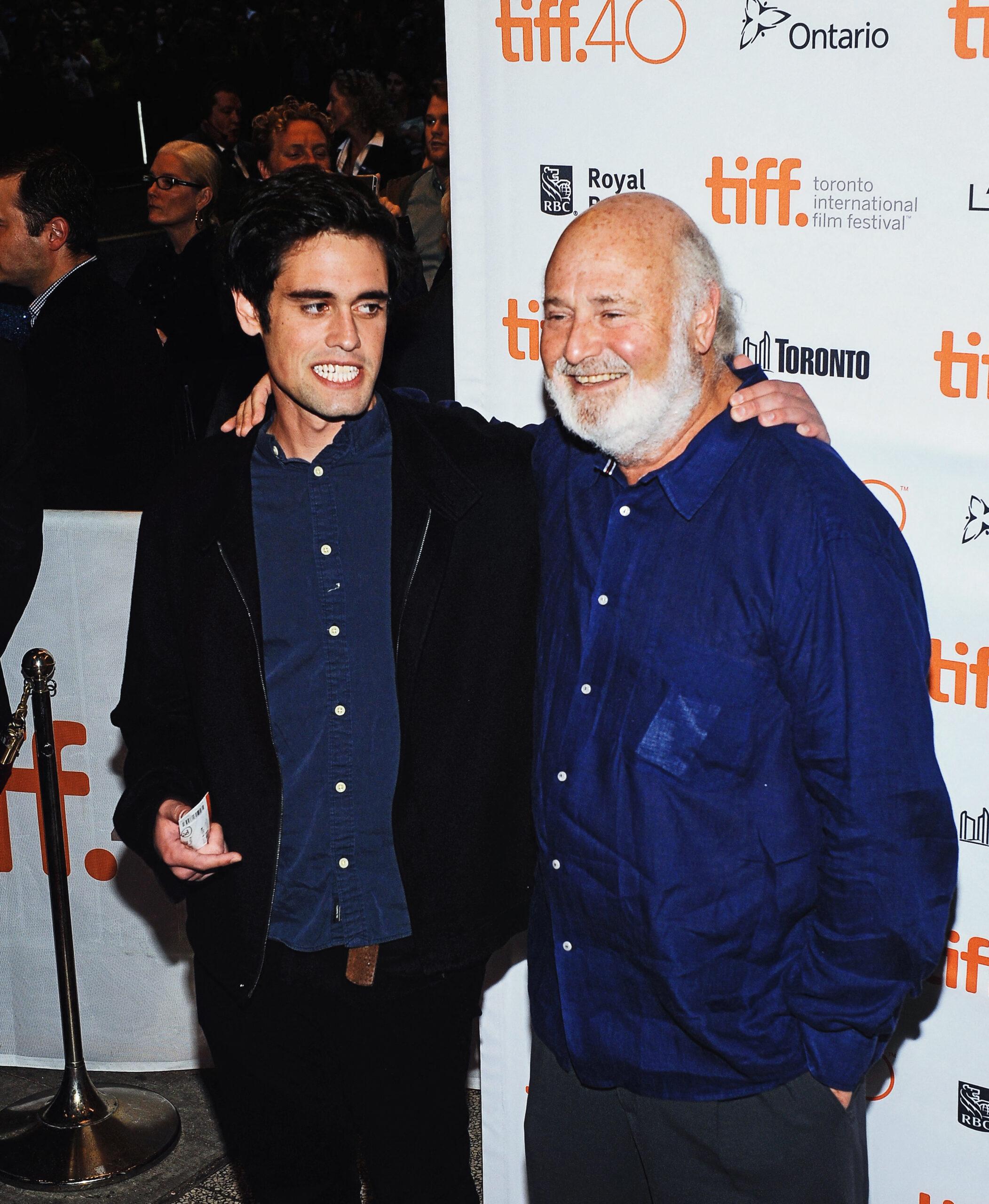
By 2020, Nick Reiner’s condition had worsened significantly as the COVID-19 pandemic intensified his instability.
According to family insiders, he was struggling with schizophrenia and could no longer care for himself, as he cycled through homelessness, substance abuse, and refusal of treatment.
Speaking to the Daily Mail, a friend described the situation bluntly, saying, “Nick couldn’t take care of himself. He was living on the streets, doing drugs, not eating and refusing rehab all in the height of COVID.”
Faced with limited options, those around him pursued a court-ordered mental health conservatorship.
The legal arrangement stripped Nick of control over his medical care and finances under California’s Lanterman-Petris-Short Act.
The law allows court oversight when someone is unable to provide basic needs due to mental illness.
In Los Angeles County, the Office of the Public Guardian evaluates such cases before a judge appoints a conservator.
Licensed fiduciary Steven Baer was named Nick’s conservator, placing strict monitoring, testing, and medication compliance into effect.
Nick Appeared Stable As Restrictions Took Hold
View this post on Instagram
For a time, the conservatorship seemed to stabilize Nick Reiner. According to a family friend, “He seemed better, but that’s because he was being drug-tested and taking his meds.”
The oversight limited his drug use and ensured he followed treatment plans, creating a sense of cautious relief among those who feared for his safety.
However, the conservatorship was temporary. After one year, it was not renewed because the 32-year-old was considered stable and no longer met the legal definition of being gravely disabled.
“But it ended after a year because Nick was considered stable, and didn’t fit the criteria of being gravely disabled,” the insider explained.
Once the restrictions were lifted in 2021, those close to him noticed a rapid shift. “That all pretty much changed,” the source said. “He started back with his old ways. Smoking weed.”
Nick Reiner’s Resentment Toward Control And Sobriety
View this post on Instagram
Friends say Nick deeply resented the loss of autonomy that came with the conservatorship. Any suggestion of reinstating it reportedly got him angry.
“Nick hated being under someone’s thumb. He considered it beneath him. It was a huge blow to his ego, and embarrassing,” a source said.
Even discussions about renewed conservatorship were explosive. “Any mention or talks about being placed under another conservatorship would have set Nick off. All hell would have broken loose,” they added.
That resentment extended to sobriety programs. The insider revealed that Nick didn’t want to be told what to do or how to live his life.
“That’s why he bailed on the whole 12 Step program. Too many rules, he would say,” they explained.
The monitoring and restrictions fueled his anger, with one insider noting, “His freedom came first, even though he created a self-imposed prison in his head. He was never going to follow direction, never going to give up smoking weed.”
Nick’s Final Weeks And The Party Before The Killings
View this post on Instagram
After his release from conservatorship, Nick Reiner remained on schizophrenia medication that reportedly stabilized his mood but caused debilitating side effects.
TMZ reported he complained about weight gain. As a result, he switched medications about a month before he allegedly killed his parents, Rob and Michele Reiner.
However, there appeared to be little to no difference. The night before his parents were found dead, Nick attended a star-studded holiday party hosted by Conan O’Brien with Rob and Michele, who brought him along to “keep an eye on him.”
Guests described antisocial and erratic behavior, including staring at attendees and asking odd questions. Partygoers also reported a loud argument between Nick and his father.
According to Psychiatric expert Dr. Eugene T. Lucas Jr., the incident could have triggered a psychotic break.
“That experience that [Reiner] had at that party… could’ve influenced the way he felt,” he said, adding, “Usually, the triggering event happens within 24 hours of whatever the behavior is.”
Nick Reiner’s Arrest Following Rob And Michele’s Deaths
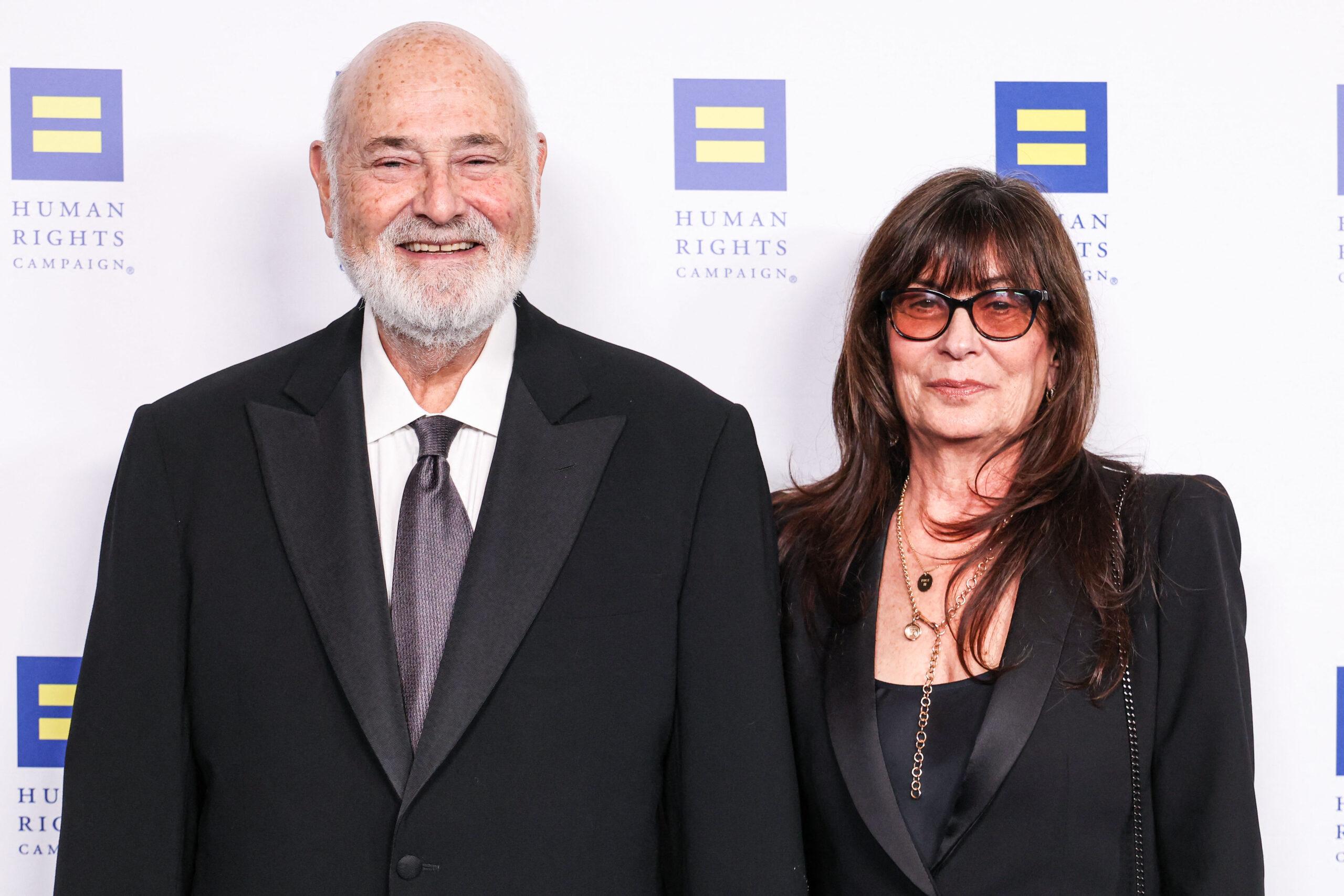
Nick was charged with two counts of first-degree murder in connection with Rob and Michele’s deaths after the couple’s bodies were found in their Brentwood, Los Angeles home on December 14, 2025.
Prosecutors alleged that both parents were fatally stabbed in the early hours of that Sunday, and Los Angeles County District Attorney Nathan Hochman announced formal charges with special circumstances of multiple murders and an allegation that a knife was used.
Police arrested Nick later that evening in Exposition Park near the University of Southern California after the tragic discovery, and he was held without bail at the Twin Towers Correctional Facility.
In his first court appearance, he did not enter a plea, and his arraignment was postponed as his attorney withdrew.
According to reports, the charges carry a maximum penalty of life in prison without parole or the death penalty, though prosecutors have not yet decided whether to pursue capital punishment.